AI developer tool blog from Diligesker, with source-linked briefs on AI products, developer tools, software engineering, infrastructure, privacy, and platform policy.
This page is the archive for short, practical briefings written for builders, operators, and technology watchers who want more than a headline. Each brief explains what changed, why it matters, what teams should verify, and which primary or official sources are worth reading next. The goal is not to chase every announcement; it is to separate durable signals from noisy release cycles.
Diligesker tracks recurring themes across modern software work: AI agents and model releases, code review and developer productivity, cloud infrastructure, open source governance, web standards, privacy expectations, and platform rules. When a story affects engineering teams, product leaders, or technical decision makers, the coverage focuses on the practical questions: what breaks, what improves, what should be tested, and what might be overhyped.
Coverage usually includes:
- AI agents, model releases, and product strategy
- Developer tools, code review, and software workflows
- Infrastructure, open source policy, privacy, and platform rules
- Standards, funding, security, and the business context around technical choices
Use the latest briefs below to scan recent posts, then open individual articles for source links, context, and implementation notes. For editorial context, see About and Disclaimer.
Latest briefs
-
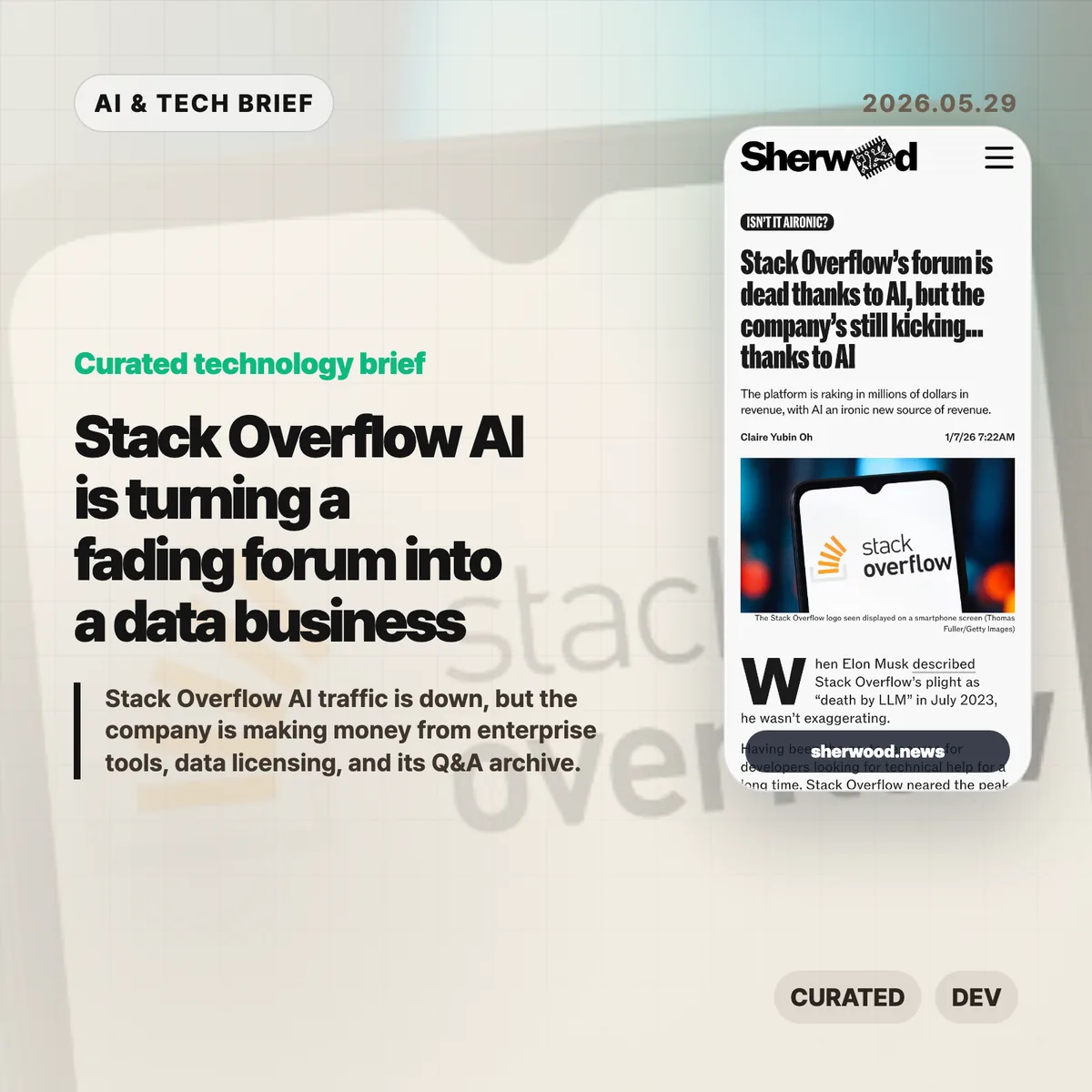
Stack Overflow AI is turning a fading forum into a data business
Stack Overflow AI traffic is down, but the company is making money from enterprise tools, data licensing, and its Q&A archive.
-
Neovim developer workflow: why modal editing still sticks
Neovim developer workflow keeps winning loyal users through modal editing, fast terminals, Lua config, LSP, and durable habits.
-
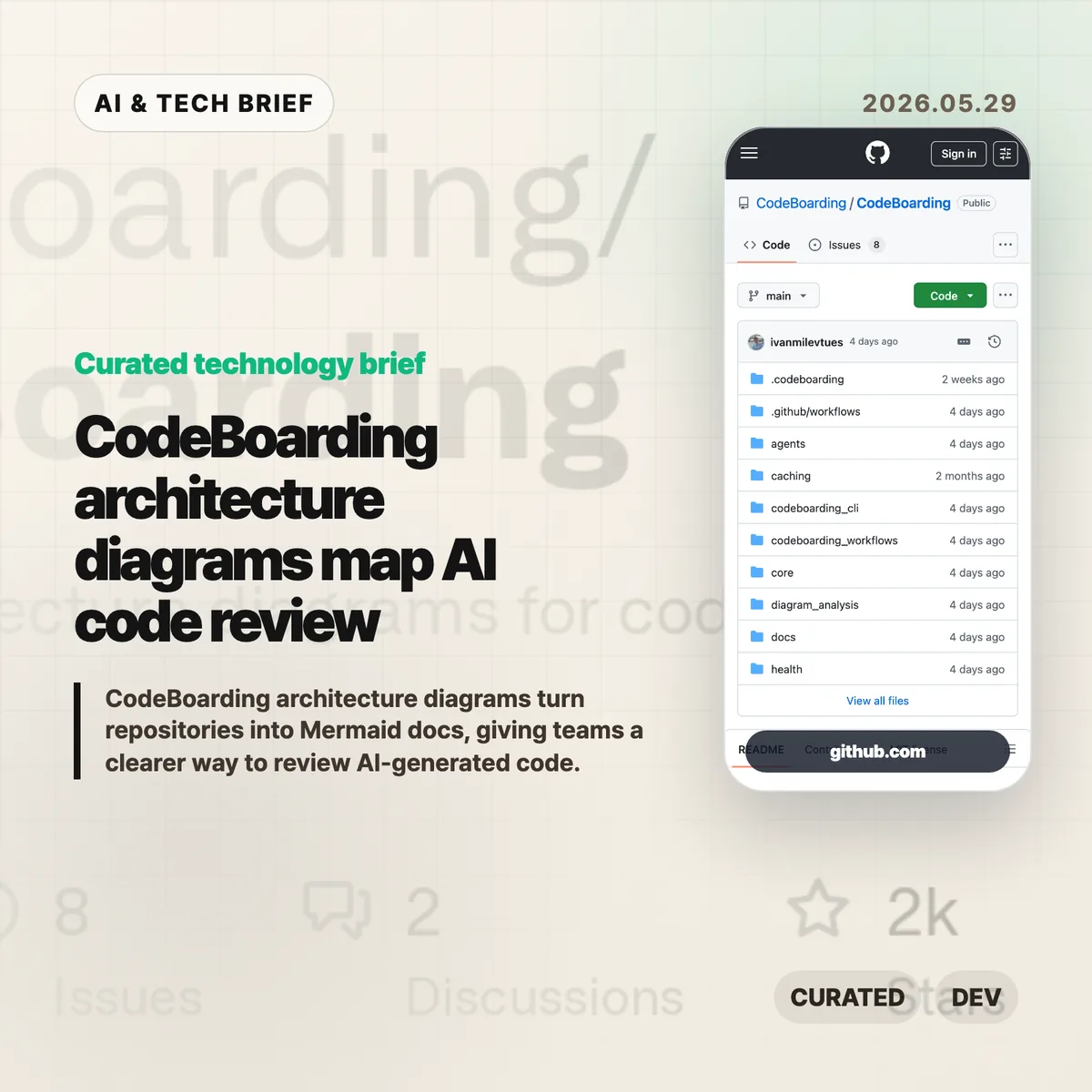
CodeBoarding architecture diagrams map AI code review
CodeBoarding architecture diagrams turn repositories into Mermaid docs, giving teams a clearer way to review AI-generated code.
-
Claude Opus 4.8 is a quieter bet on AI coding teamwork
Claude Opus 4.8 improves coding, honesty, dynamic workflows, effort control, and API behavior without changing regular pricing.
-
Figma design agent moves AI into the canvas
Figma design agent brings AI into the canvas, using components, tokens, feedback, and team context inside Figma files.
-
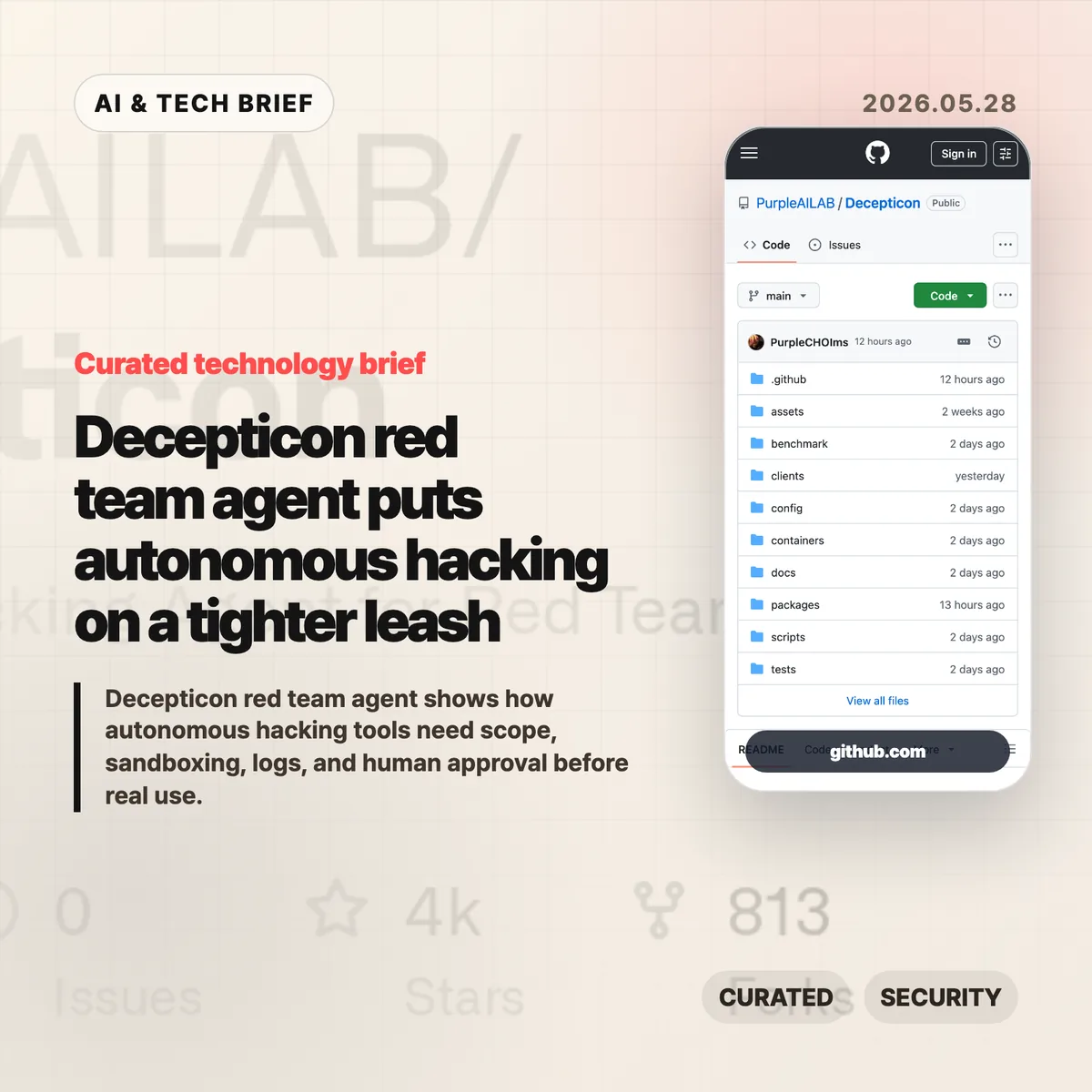
Decepticon red team agent puts autonomous hacking on a tighter leash
Decepticon red team agent shows how autonomous hacking tools need scope, sandboxing, logs, and human approval before real use.
-
Dropbox AI strategy gets a CEO reset after 19 years
Dropbox AI strategy now sits on Ashraf Alkarmi’s desk as Drew Houston leaves the CEO job and Dash becomes the test.
-
Local AI coding costs are starting to pressure frontier labs
Local AI coding costs are changing how teams compare frontier models, open-source models, outsourced talent, and agent workflows.
-
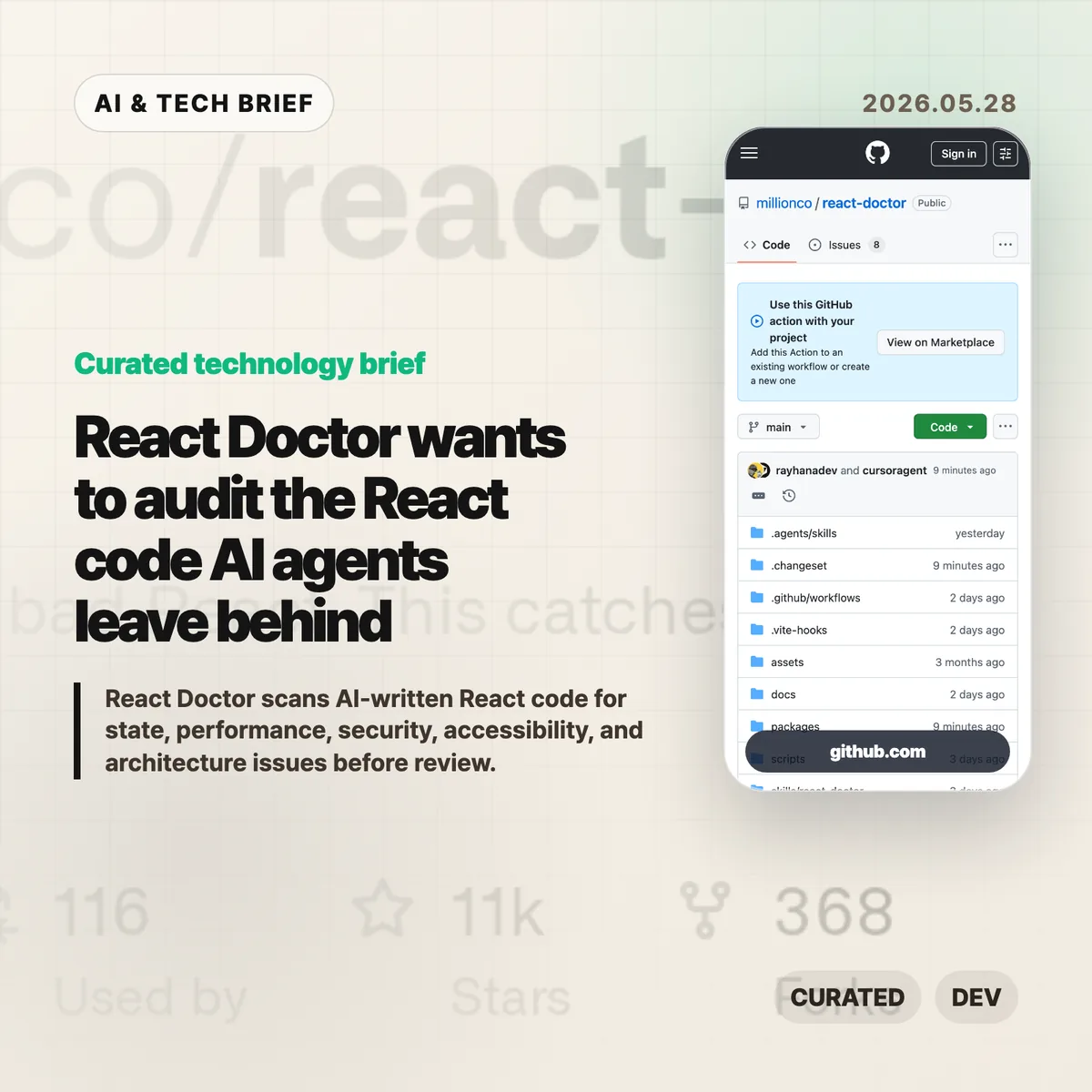
React Doctor wants to audit the React code AI agents leave behind
React Doctor scans AI-written React code for state, performance, security, accessibility, and architecture issues before review.
-
AI generated answers are making online work feel fake
AI generated answers are turning simple work questions into a trust problem, especially when people forward them without reading.