AI developer tool blog from Diligesker, with source-linked briefs on AI products, developer tools, software engineering, infrastructure, privacy, and platform policy.
This page is the archive for short, practical briefings written for builders, operators, and technology watchers who want more than a headline. Each brief explains what changed, why it matters, what teams should verify, and which primary or official sources are worth reading next. The goal is not to chase every announcement; it is to separate durable signals from noisy release cycles.
Diligesker tracks recurring themes across modern software work: AI agents and model releases, code review and developer productivity, cloud infrastructure, open source governance, web standards, privacy expectations, and platform rules. When a story affects engineering teams, product leaders, or technical decision makers, the coverage focuses on the practical questions: what breaks, what improves, what should be tested, and what might be overhyped.
Coverage usually includes:
- AI agents, model releases, and product strategy
- Developer tools, code review, and software workflows
- Infrastructure, open source policy, privacy, and platform rules
- Standards, funding, security, and the business context around technical choices
Use the latest briefs below to scan recent posts, then open individual articles for source links, context, and implementation notes. For editorial context, see About and Disclaimer.
Latest briefs
-
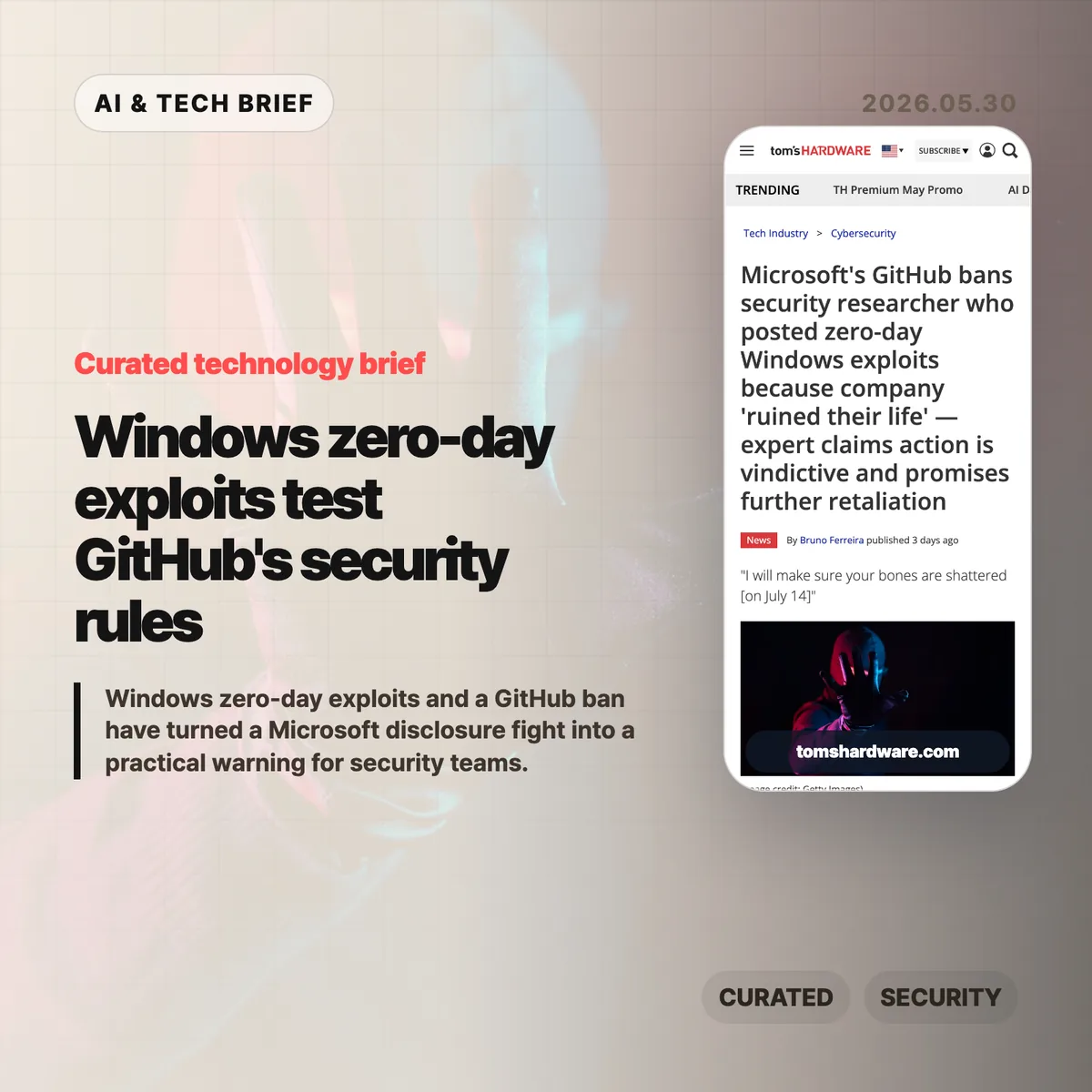
Windows zero-day exploits test GitHub’s security rules
Windows zero-day exploits and a GitHub ban have turned a Microsoft disclosure fight into a practical warning for security teams.
-
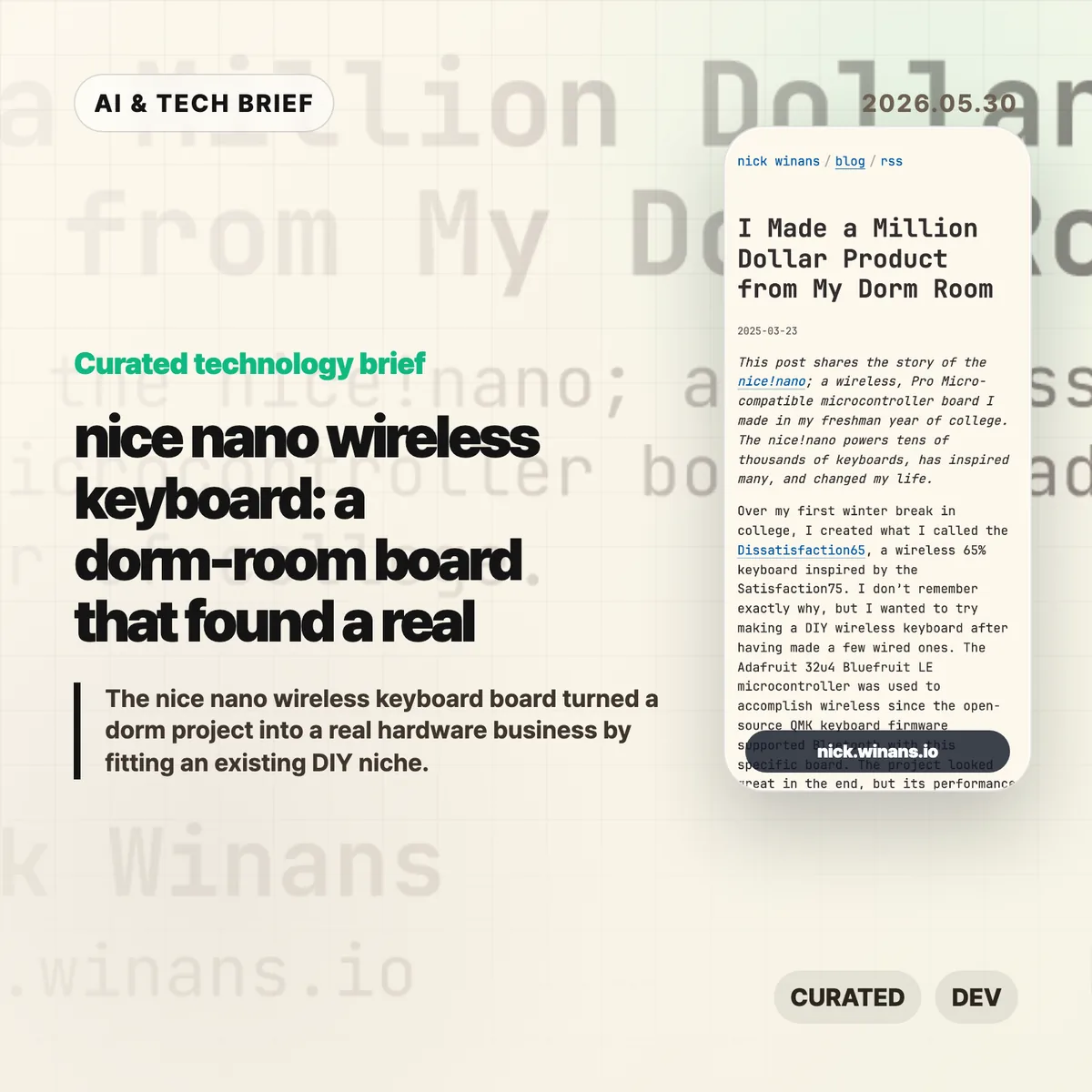
nice nano wireless keyboard: a dorm-room board that found a real market
The nice nano wireless keyboard board turned a dorm project into a real hardware business by fitting an existing DIY niche.
-
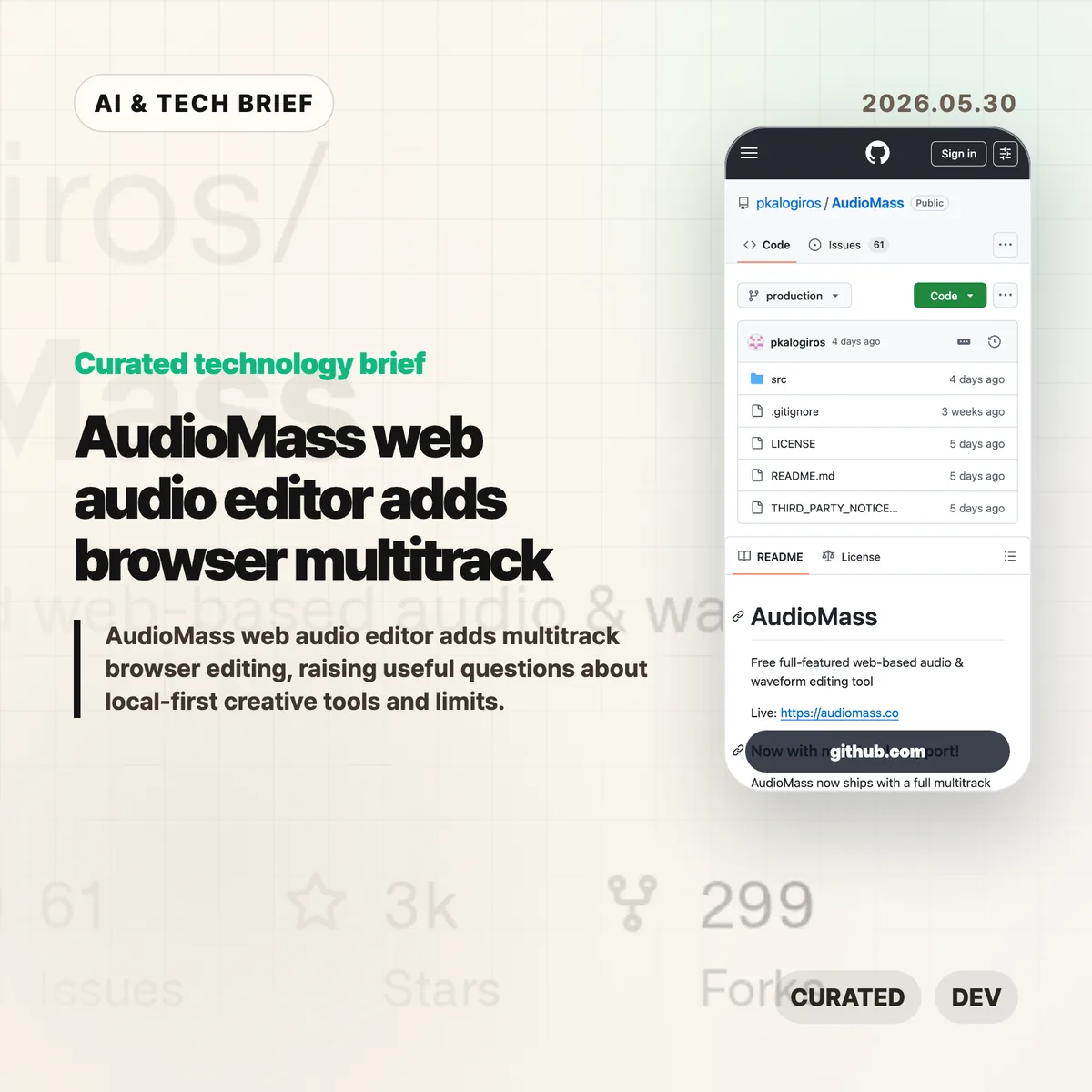
AudioMass web audio editor adds browser multitrack
AudioMass web audio editor adds multitrack browser editing, raising useful questions about local-first creative tools and limits.
-
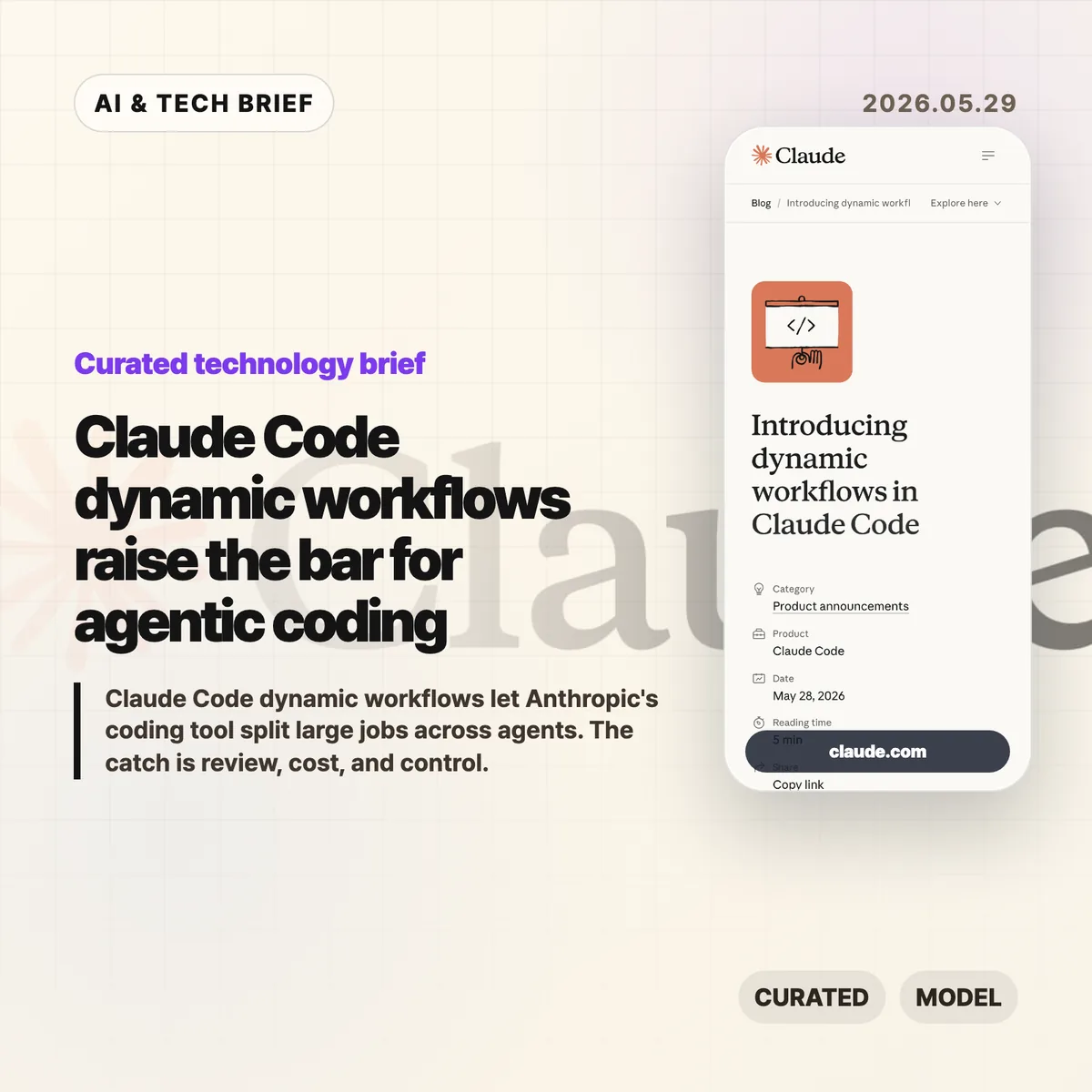
Claude Code dynamic workflows raise the bar for agentic coding
Claude Code dynamic workflows let Anthropic’s coding tool split large jobs across agents. The catch is review, cost, and control.
-
Zig interview: Andrew Kelley on the long road to 1.0
A Zig interview with Andrew Kelley explains the language’s no-AI policy, build tooling, 1.0 delay, and move away from GitHub.
-
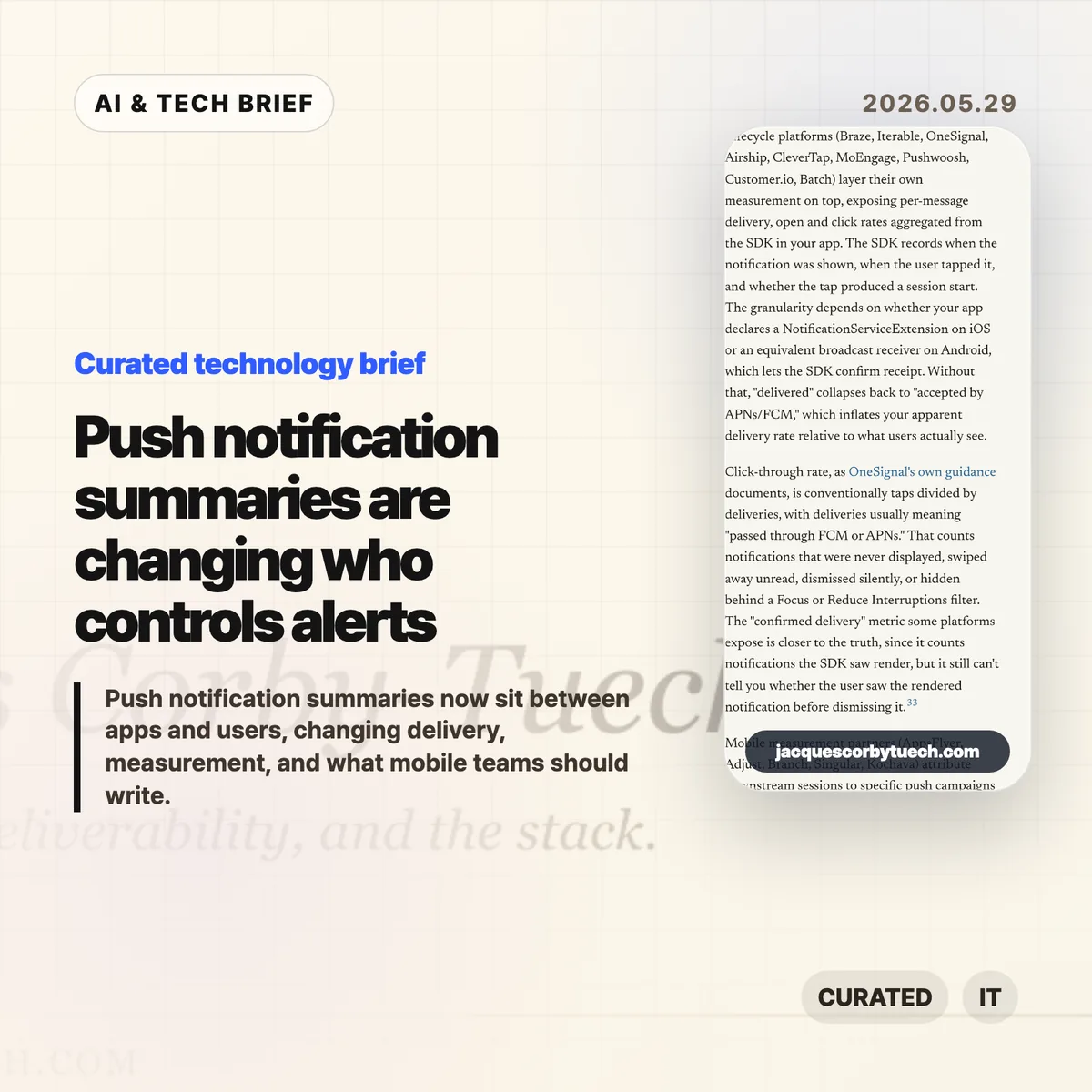
Push notification summaries are changing who controls alerts
Push notification summaries now sit between apps and users, changing delivery, measurement, and what mobile teams should write.
-
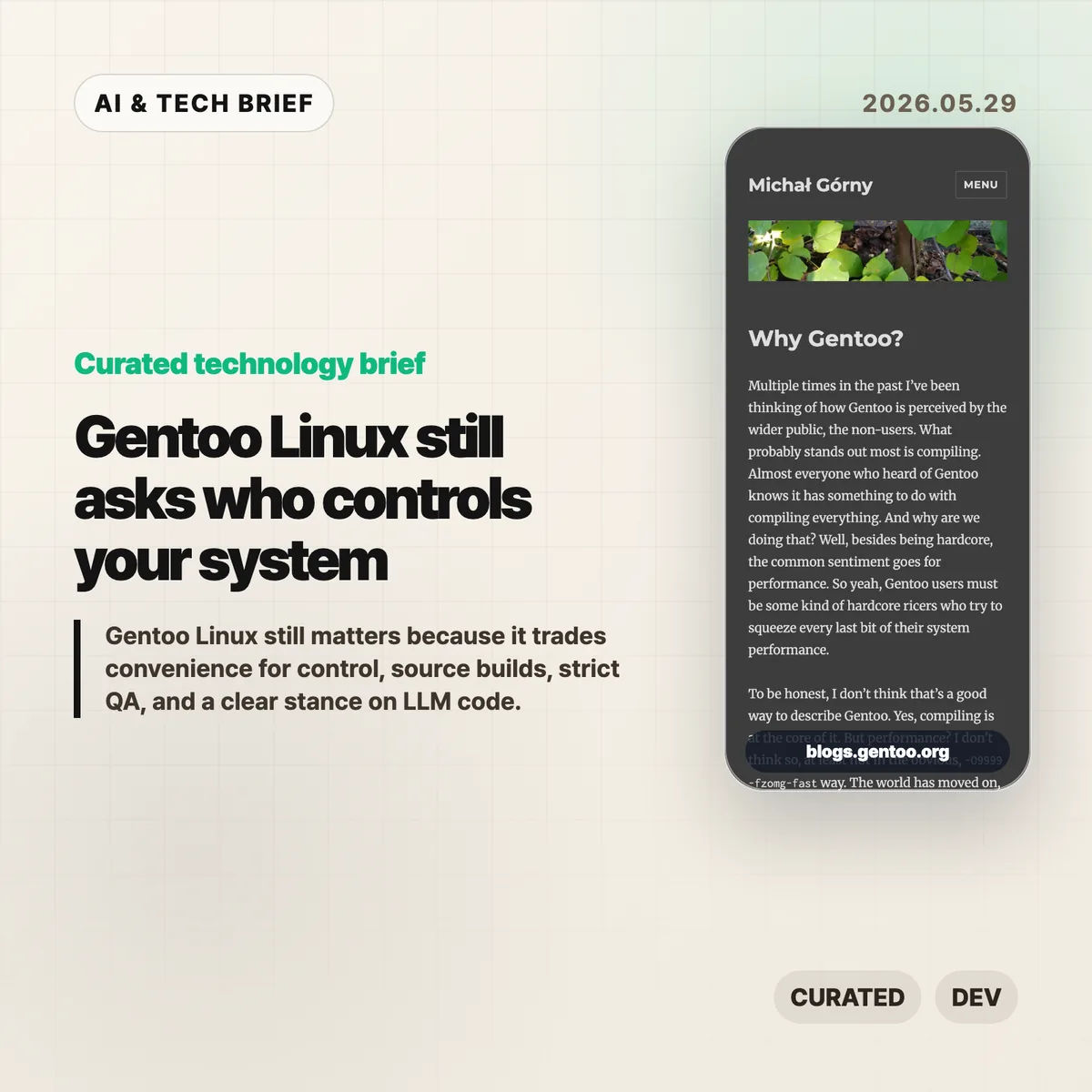
Gentoo Linux still asks who controls your system
Gentoo Linux still matters because it trades convenience for control, source builds, strict QA, and a clear stance on LLM code.
-
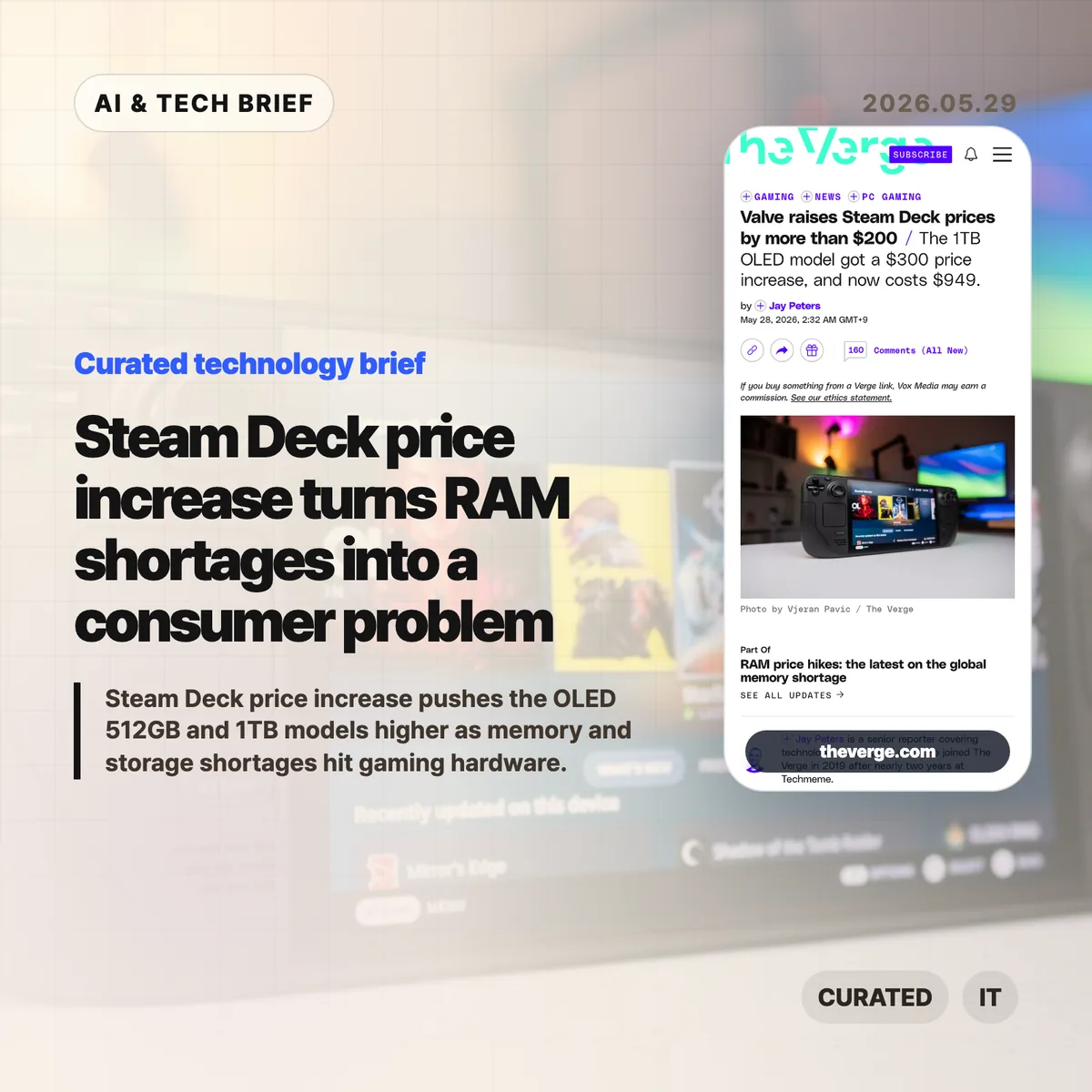
Steam Deck price increase turns RAM shortages into a consumer problem
Steam Deck price increase pushes the OLED 512GB and 1TB models higher as memory and storage shortages hit gaming hardware.
-
AI productivity should buy back Friday before output
AI productivity claims are forcing a harder question: if agents save a full week of work, do employees get time back?
-
The orchestration tax is the real limit on AI agents
The orchestration tax explains why more AI agents can make developers busier without increasing reviewed, shippable code.