AI developer tool blog from Diligesker, with source-linked briefs on AI products, developer tools, software engineering, infrastructure, privacy, and platform policy.
This page is the archive for short, practical briefings written for builders, operators, and technology watchers who want more than a headline. Each brief explains what changed, why it matters, what teams should verify, and which primary or official sources are worth reading next. The goal is not to chase every announcement; it is to separate durable signals from noisy release cycles.
Diligesker tracks recurring themes across modern software work: AI agents and model releases, code review and developer productivity, cloud infrastructure, open source governance, web standards, privacy expectations, and platform rules. When a story affects engineering teams, product leaders, or technical decision makers, the coverage focuses on the practical questions: what breaks, what improves, what should be tested, and what might be overhyped.
Coverage usually includes:
- AI agents, model releases, and product strategy
- Developer tools, code review, and software workflows
- Infrastructure, open source policy, privacy, and platform rules
- Standards, funding, security, and the business context around technical choices
Use the latest briefs below to scan recent posts, then open individual articles for source links, context, and implementation notes. For editorial context, see About and Disclaimer.
Latest briefs
-
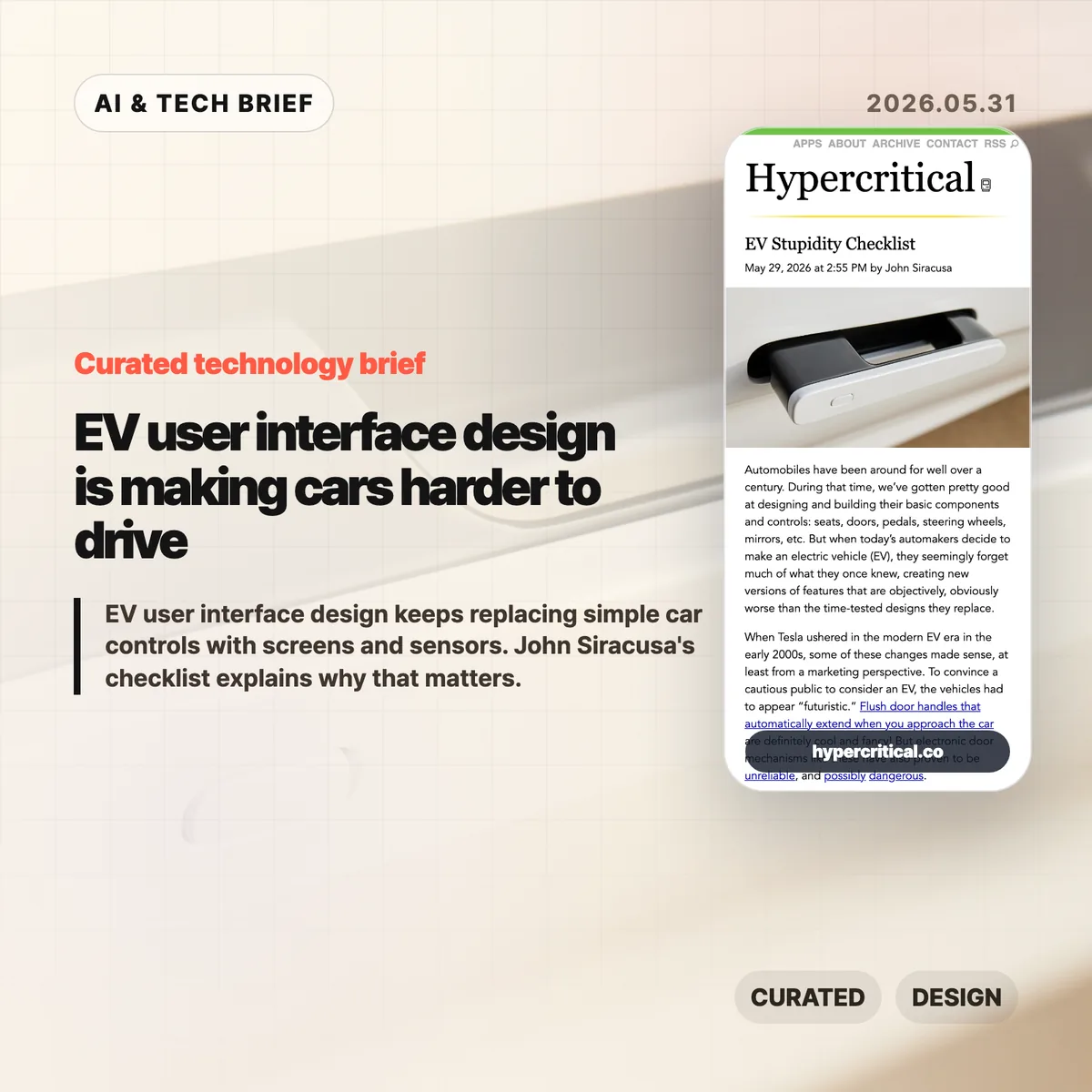
EV user interface design is making cars harder to drive
EV user interface design keeps replacing simple car controls with screens and sensors. John Siracusa’s checklist explains why that matters.
-
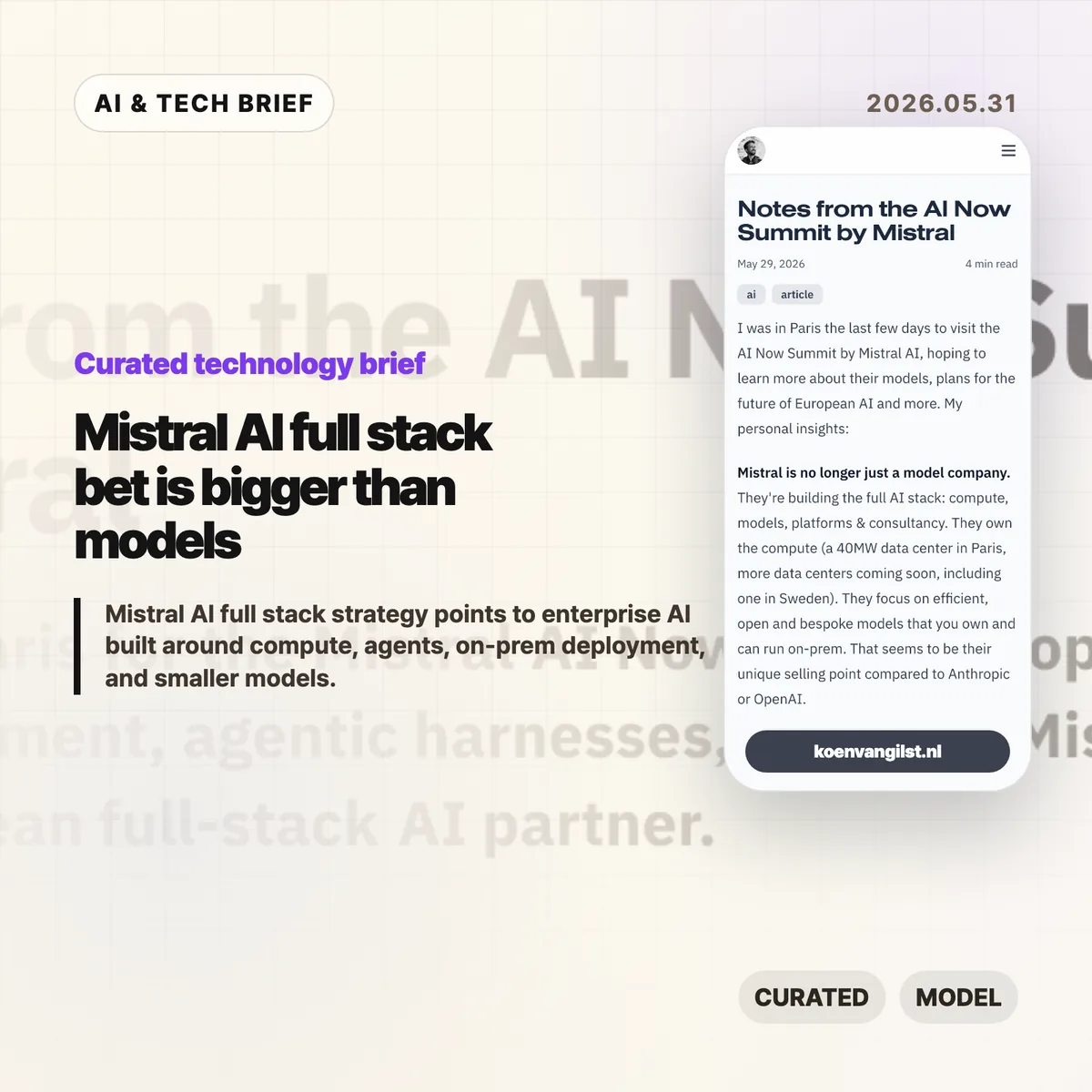
Mistral AI full stack bet is bigger than models
Mistral AI full stack strategy points to enterprise AI built around compute, agents, on-prem deployment, and smaller models.
-
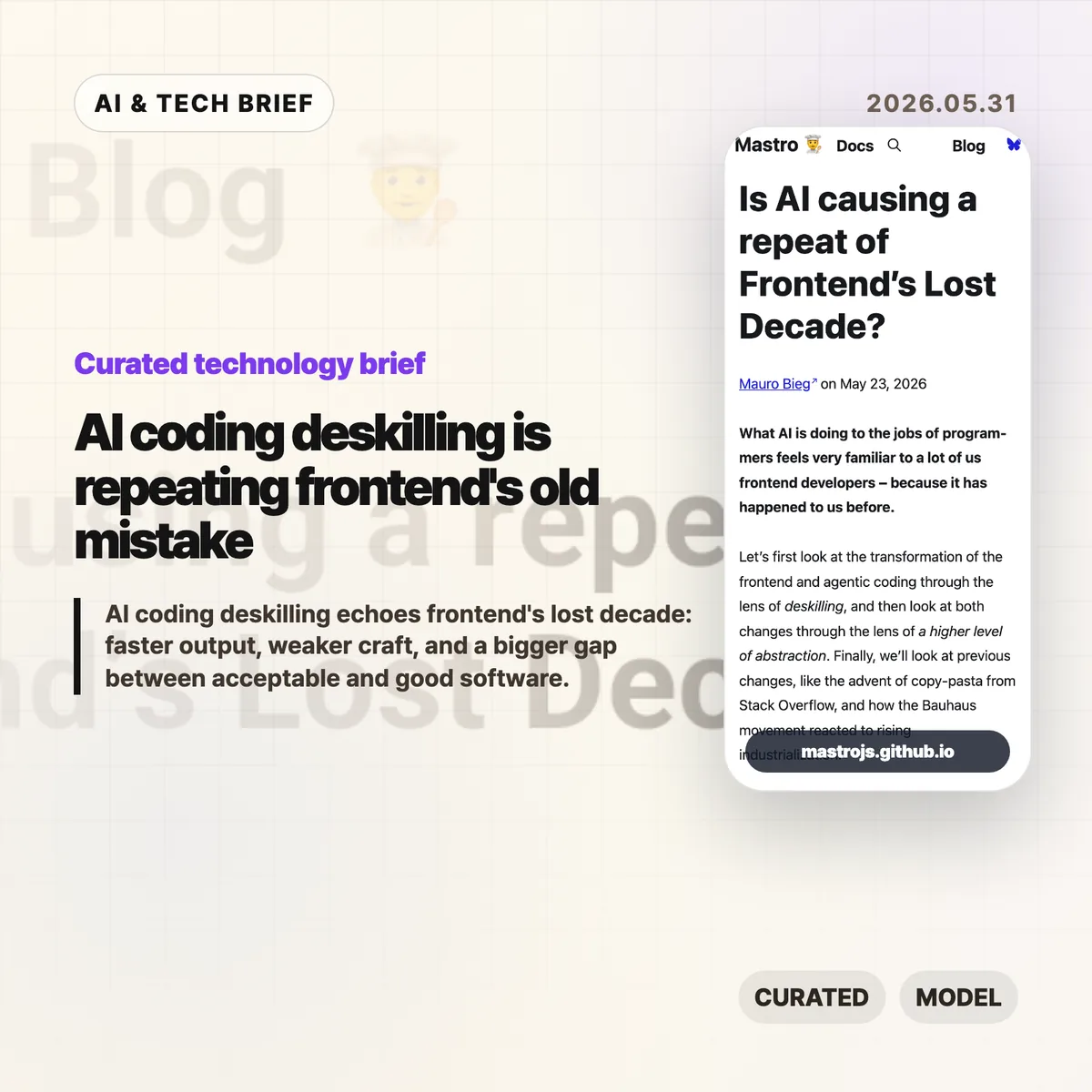
AI coding deskilling is repeating frontend’s old mistake
AI coding deskilling echoes frontend’s lost decade: faster output, weaker craft, and a bigger gap between acceptable and good software.
-
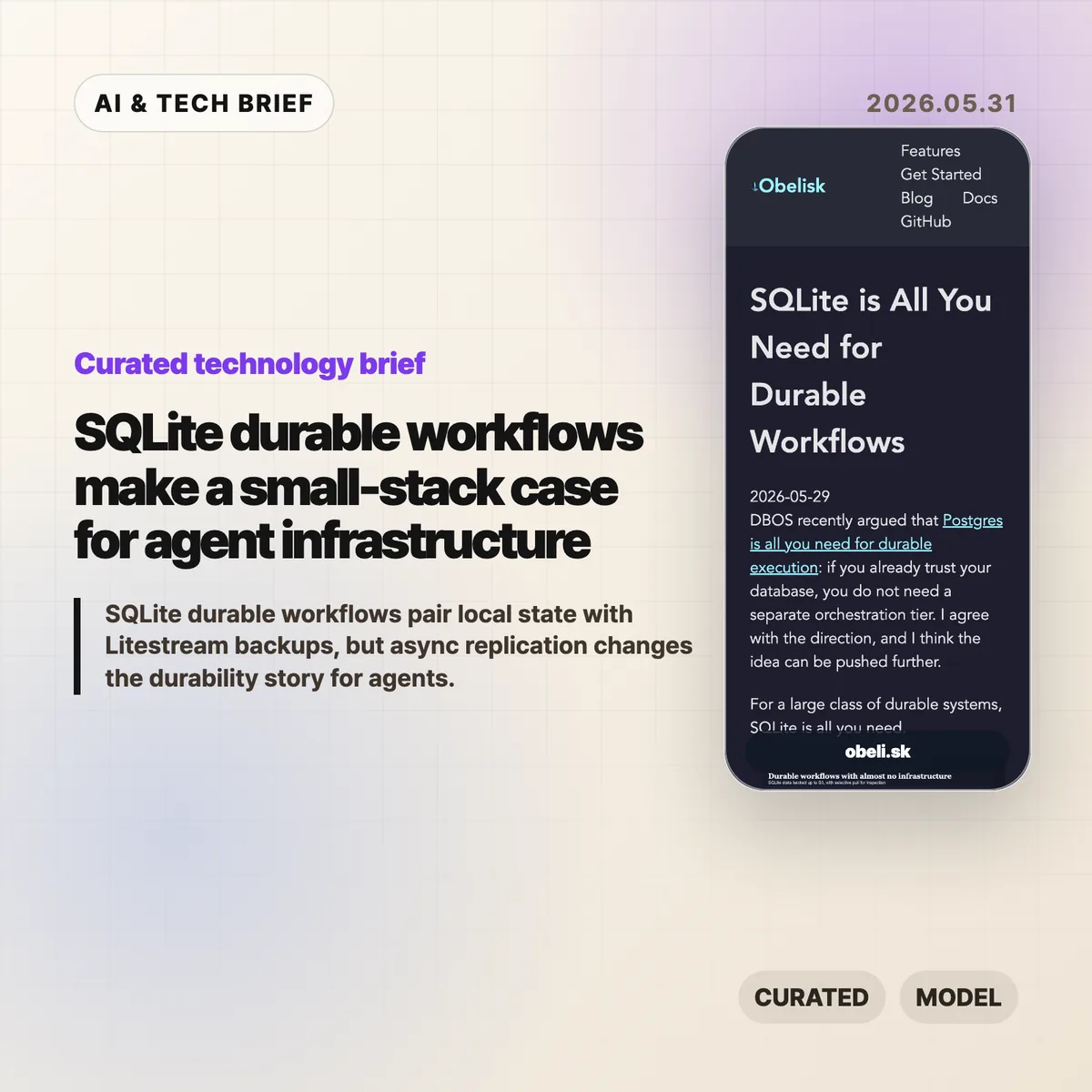
SQLite durable workflows make a small-stack case for agent infrastructure
SQLite durable workflows pair local state with Litestream backups, but async replication changes the durability story for agents.
-
Claw Patrol agent firewall puts action-level limits on AI agents
Claw Patrol agent firewall gates AI agent actions across HTTP, SQL, and Kubernetes before requests reach production systems.
-
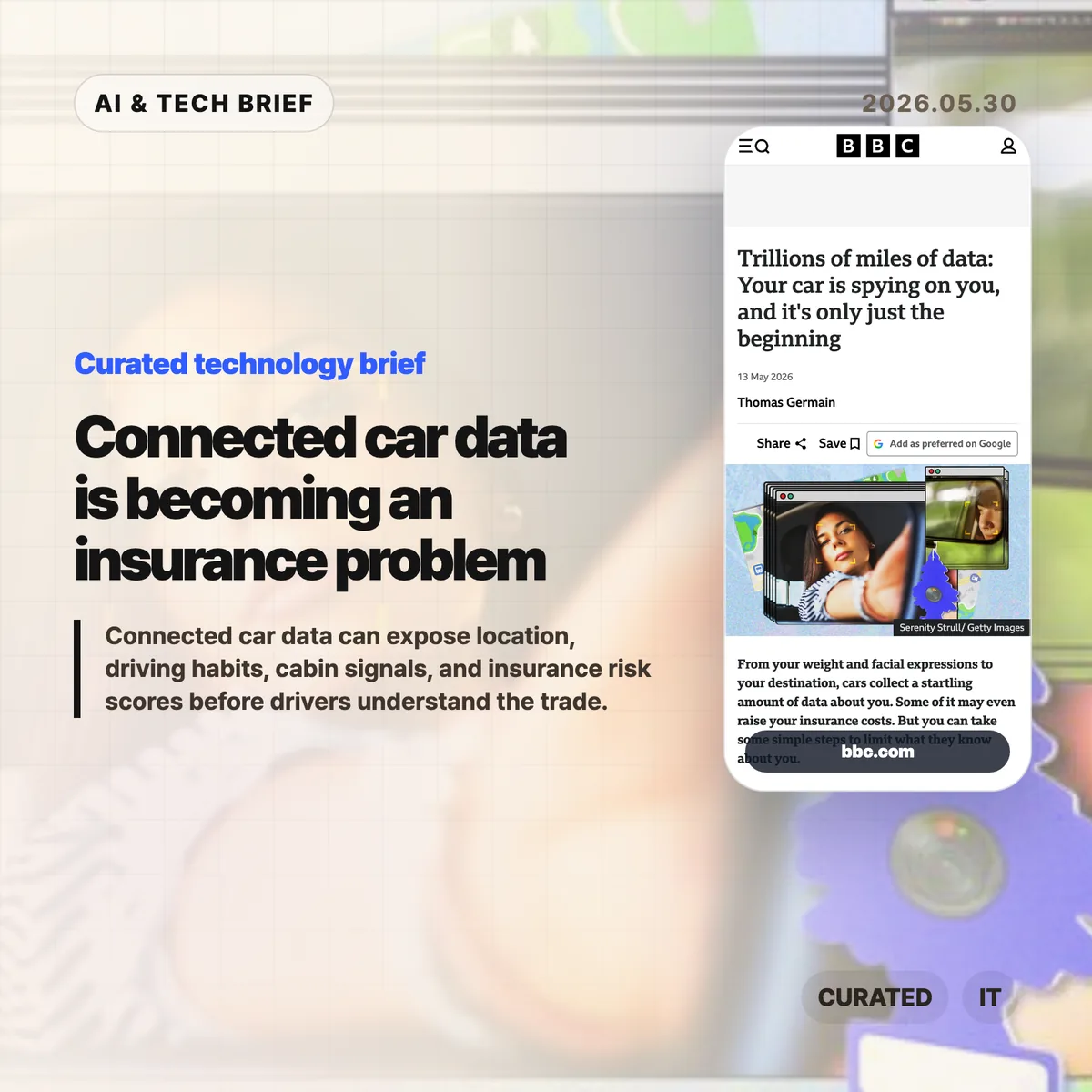
Connected car data is becoming an insurance problem
Connected car data can expose location, driving habits, cabin signals, and insurance risk scores before drivers understand the trade.
-
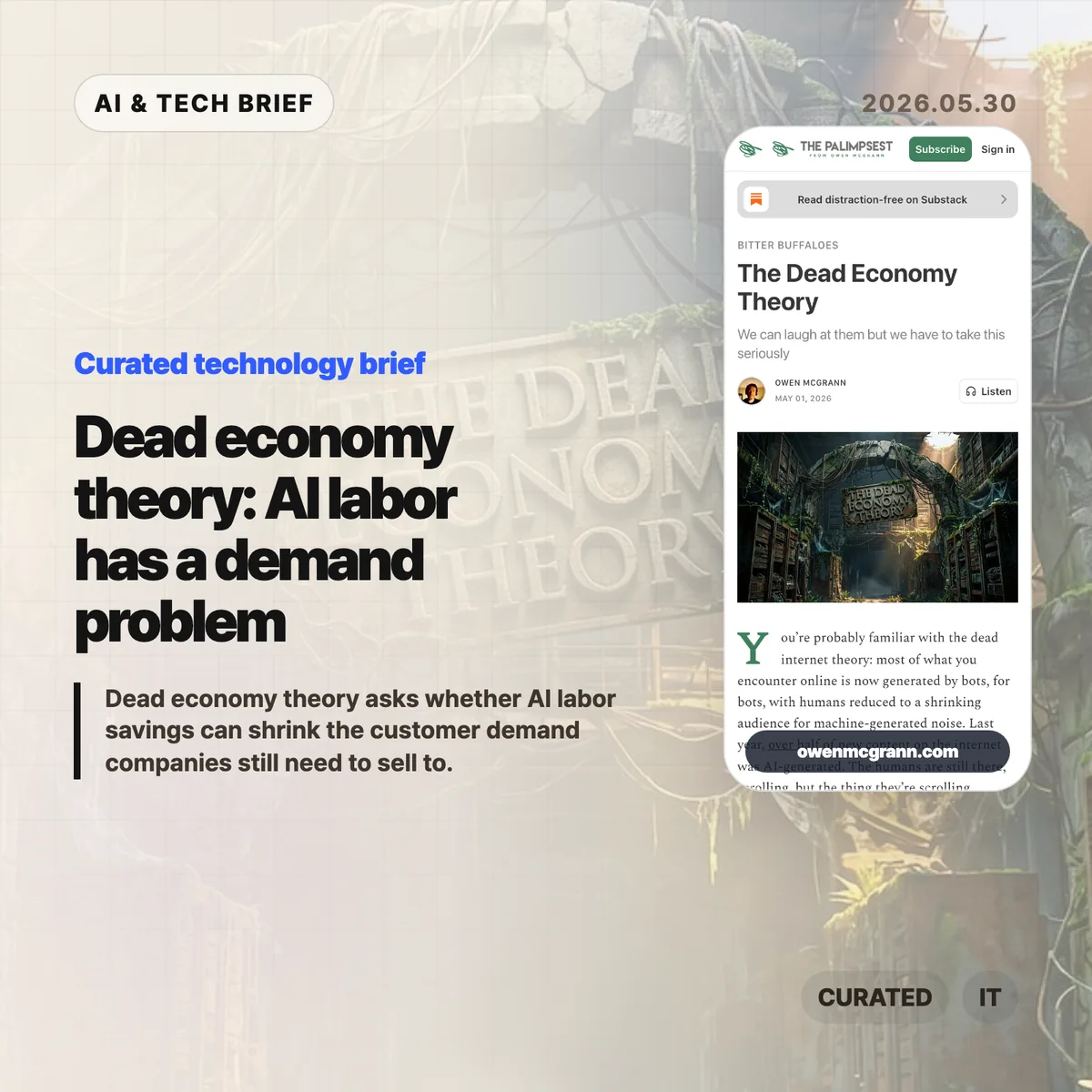
Dead economy theory: AI labor has a demand problem
Dead economy theory asks whether AI labor savings can shrink the customer demand companies still need to sell to.
-
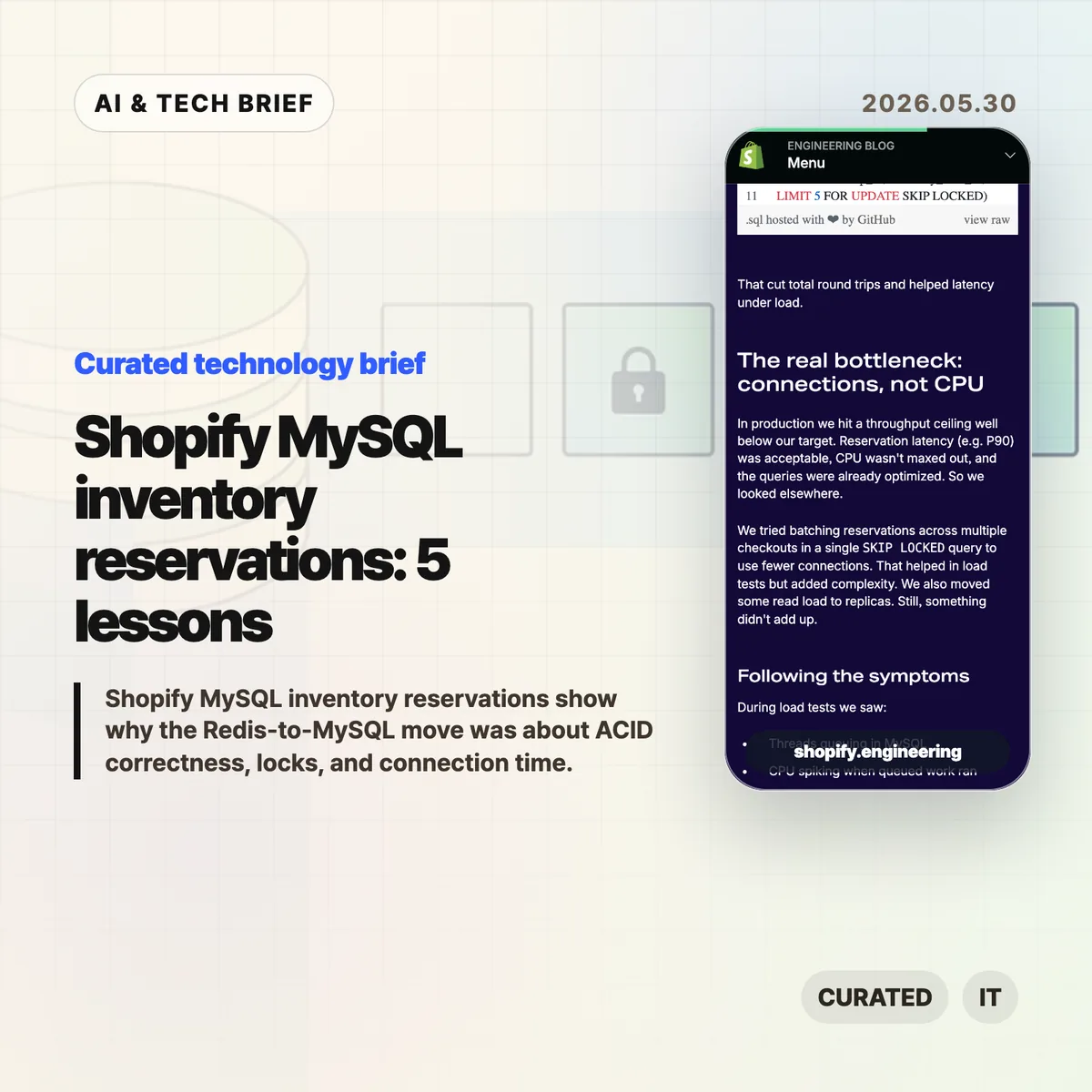
Shopify MySQL inventory reservations: 5 lessons
Shopify MySQL inventory reservations show why the Redis-to-MySQL move was about ACID correctness, locks, and connection time.
-
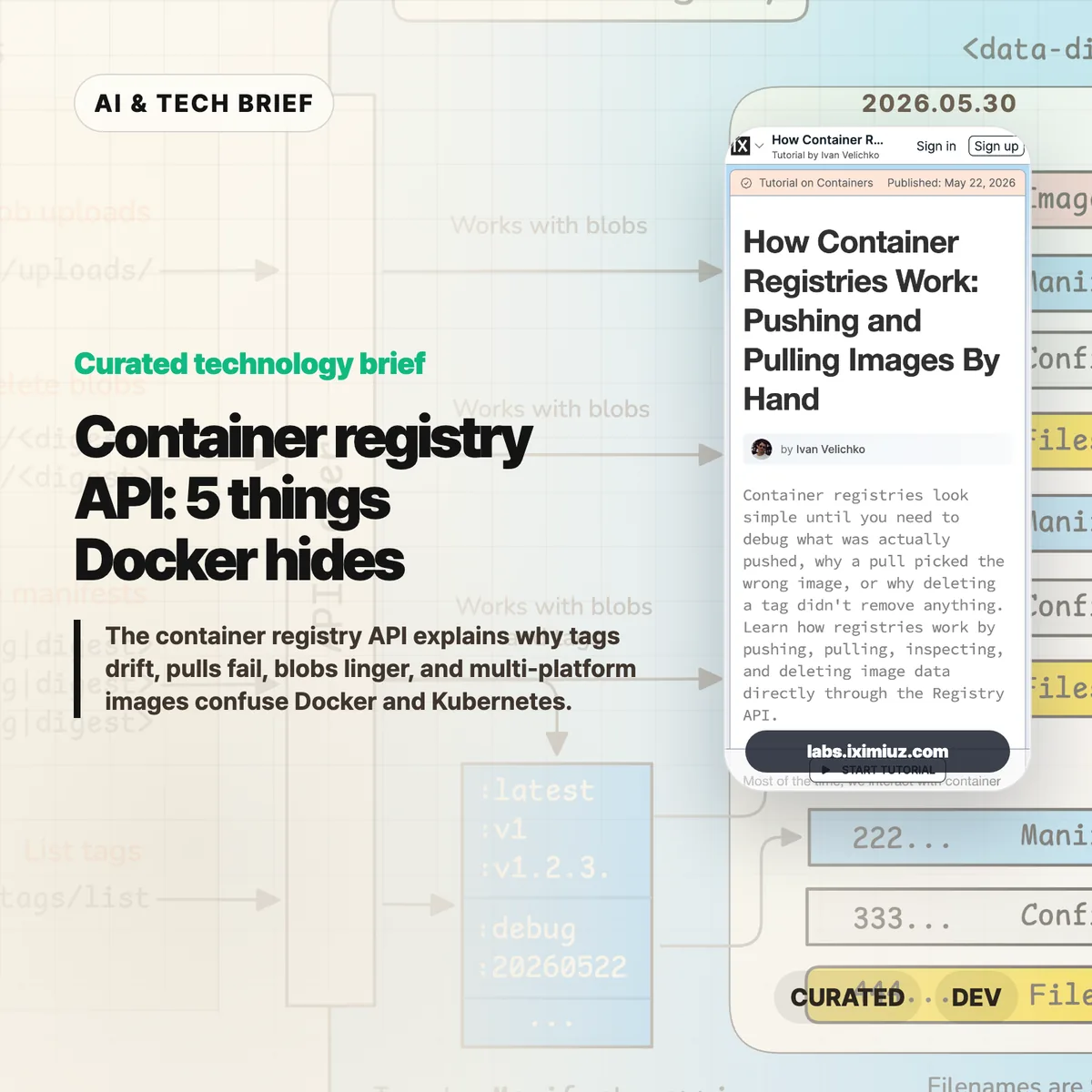
Container registry API: 5 things Docker hides
The container registry API explains why tags drift, pulls fail, blobs linger, and multi-platform images confuse Docker and Kubernetes.
-
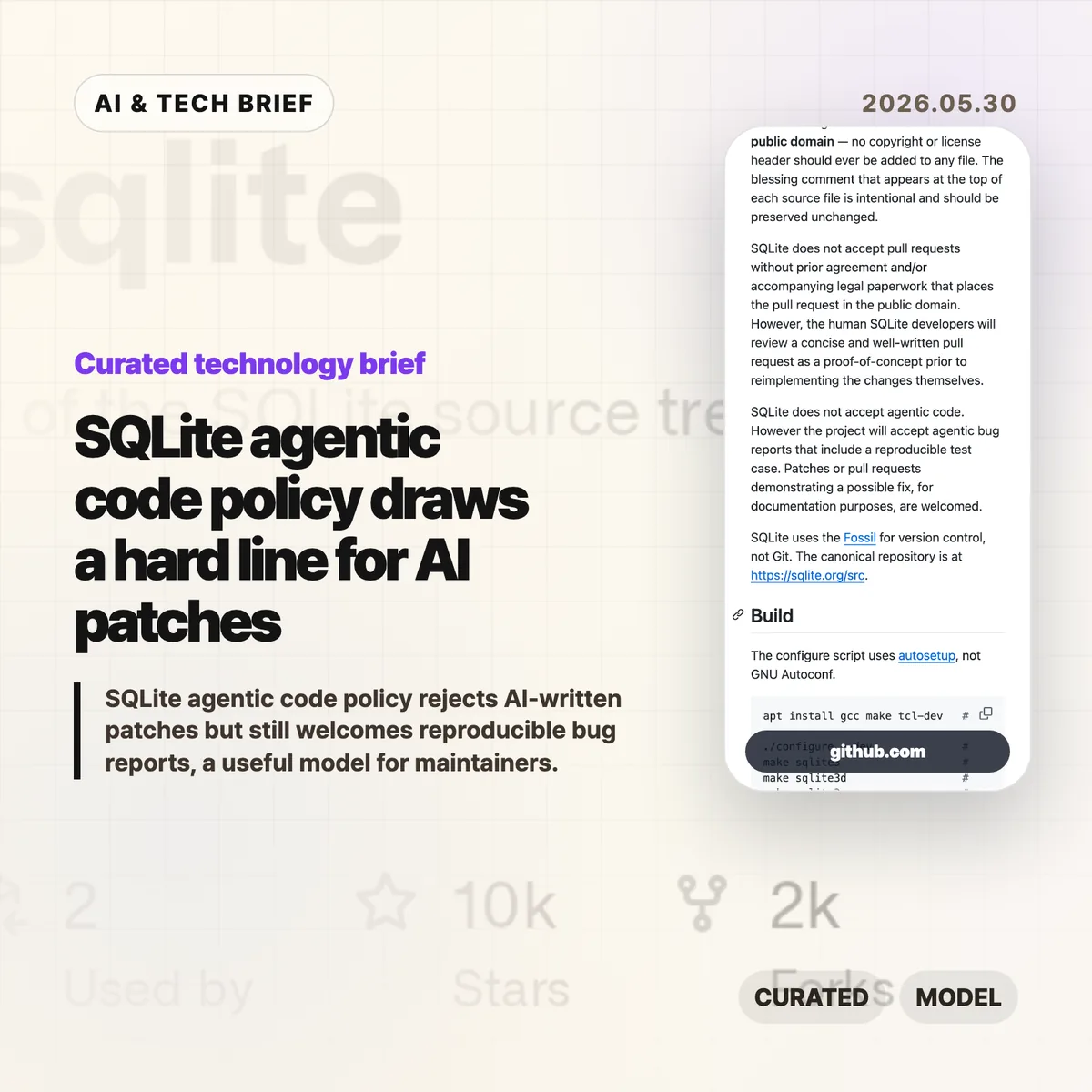
SQLite agentic code policy draws a hard line for AI patches
SQLite agentic code policy rejects AI-written patches but still welcomes reproducible bug reports, a useful model for maintainers.