AI developer tool blog from Diligesker, with source-linked briefs on AI products, developer tools, software engineering, infrastructure, privacy, and platform policy.
This page is the archive for short, practical briefings written for builders, operators, and technology watchers who want more than a headline. Each brief explains what changed, why it matters, what teams should verify, and which primary or official sources are worth reading next. The goal is not to chase every announcement; it is to separate durable signals from noisy release cycles.
Diligesker tracks recurring themes across modern software work: AI agents and model releases, code review and developer productivity, cloud infrastructure, open source governance, web standards, privacy expectations, and platform rules. When a story affects engineering teams, product leaders, or technical decision makers, the coverage focuses on the practical questions: what breaks, what improves, what should be tested, and what might be overhyped.
Coverage usually includes:
- AI agents, model releases, and product strategy
- Developer tools, code review, and software workflows
- Infrastructure, open source policy, privacy, and platform rules
- Standards, funding, security, and the business context around technical choices
Use the latest briefs below to scan recent posts, then open individual articles for source links, context, and implementation notes. For editorial context, see About and Disclaimer.
Latest briefs
-
AI IPOs face a $4 trillion public-market test
AI IPOs from OpenAI, Anthropic, and SpaceX would test whether public markets can absorb private tech giants at huge prices.
-
AI product building needs taste more than raw speed
AI product building is getting faster, but Figma argues the harder edge is choosing the right direction and refining it with care.
-
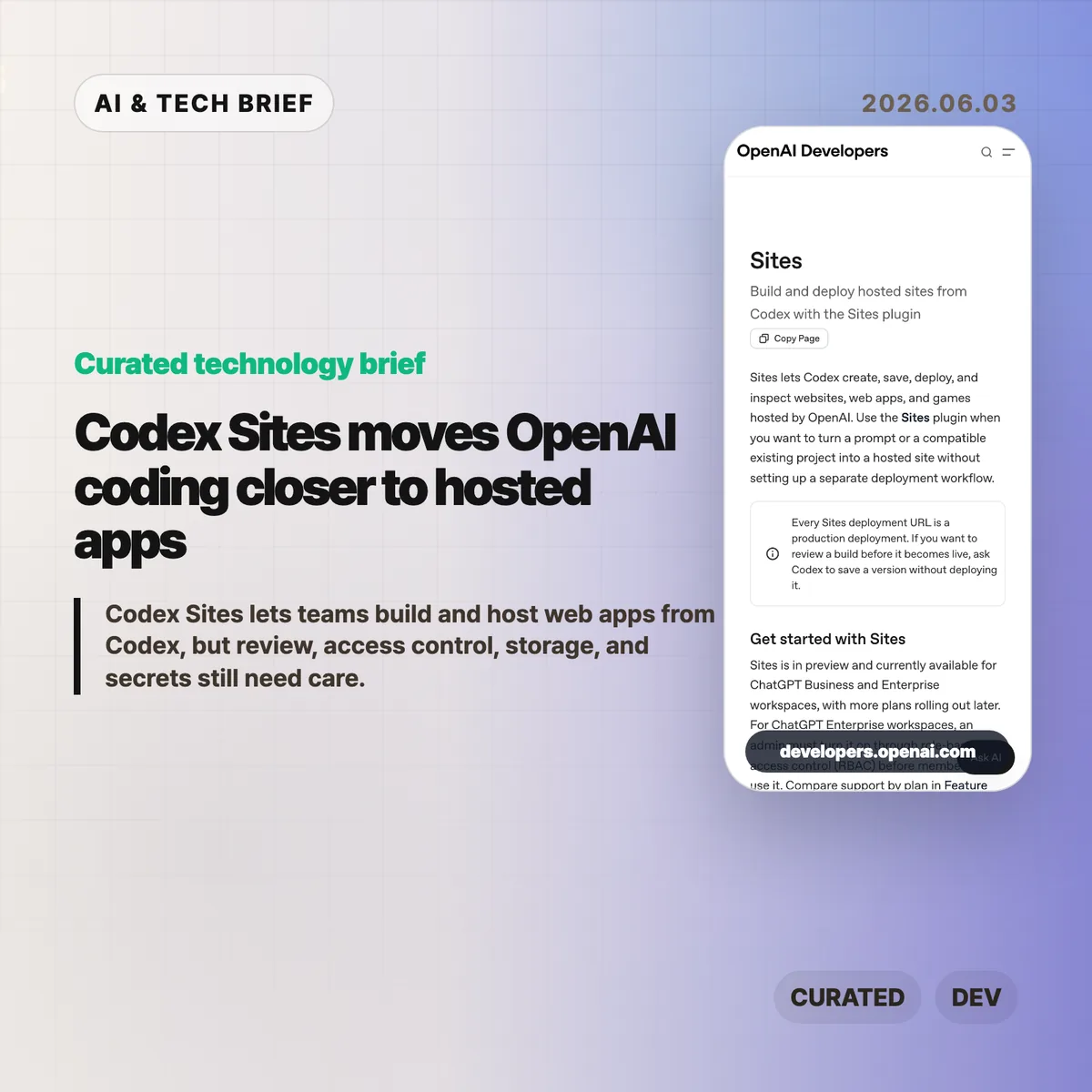
Codex Sites moves OpenAI coding closer to hosted apps
Codex Sites lets teams build and host web apps from Codex, but review, access control, storage, and secrets still need care.
-
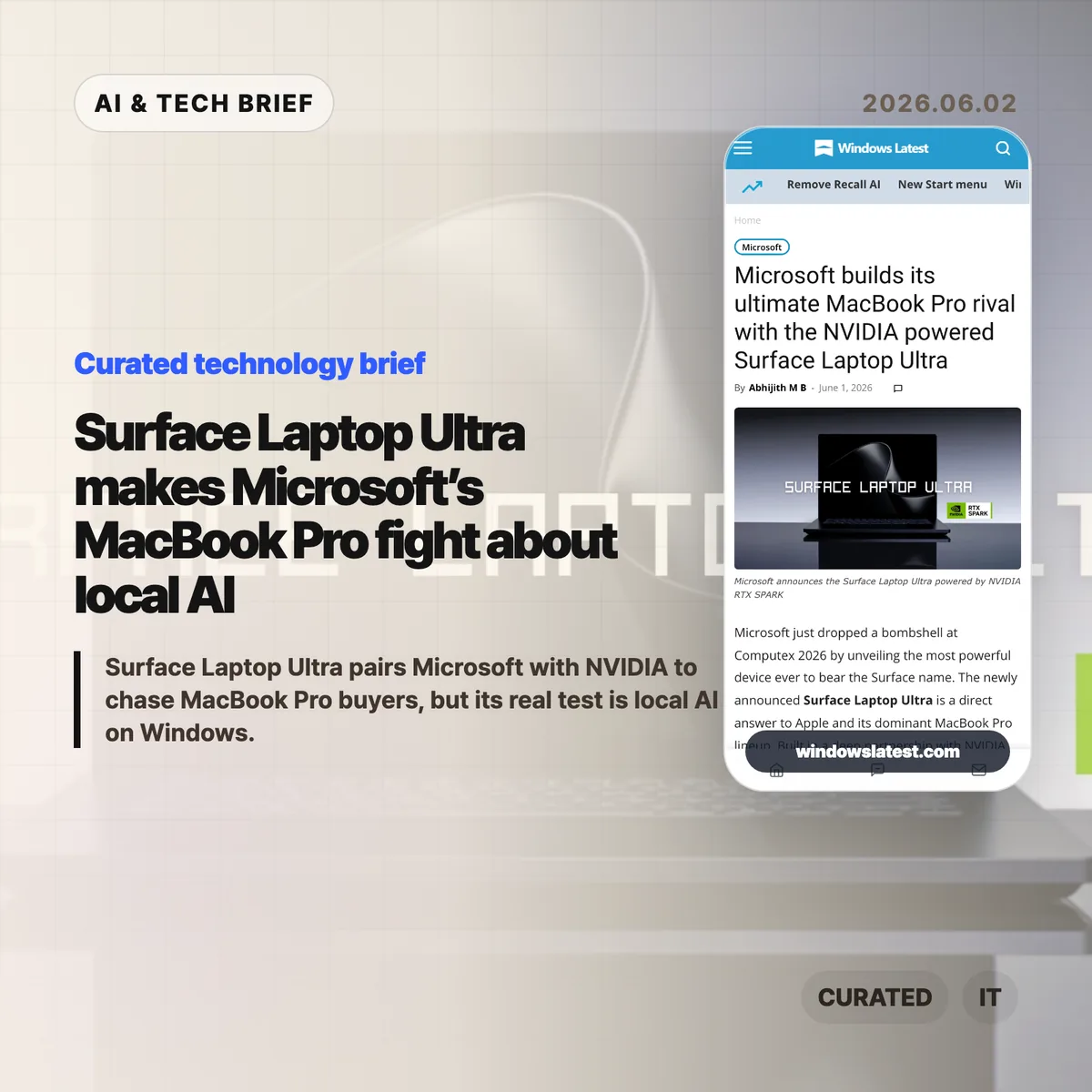
Surface Laptop Ultra makes Microsoft’s MacBook Pro fight about local AI
Surface Laptop Ultra pairs Microsoft with NVIDIA to chase MacBook Pro buyers, but its real test is local AI on Windows.
-
AI in SRE: Google draws the line before agents touch production
AI in SRE is moving from alert summaries to controlled mitigation. Google’s model shows the guardrails ops teams need before agents touch production.
-
NVIDIA RTX Spark turns the local AI PC fight toward Windows
NVIDIA RTX Spark puts Blackwell RTX graphics, Grace CPU cores, and up to 128GB unified memory into Windows AI PCs.
-
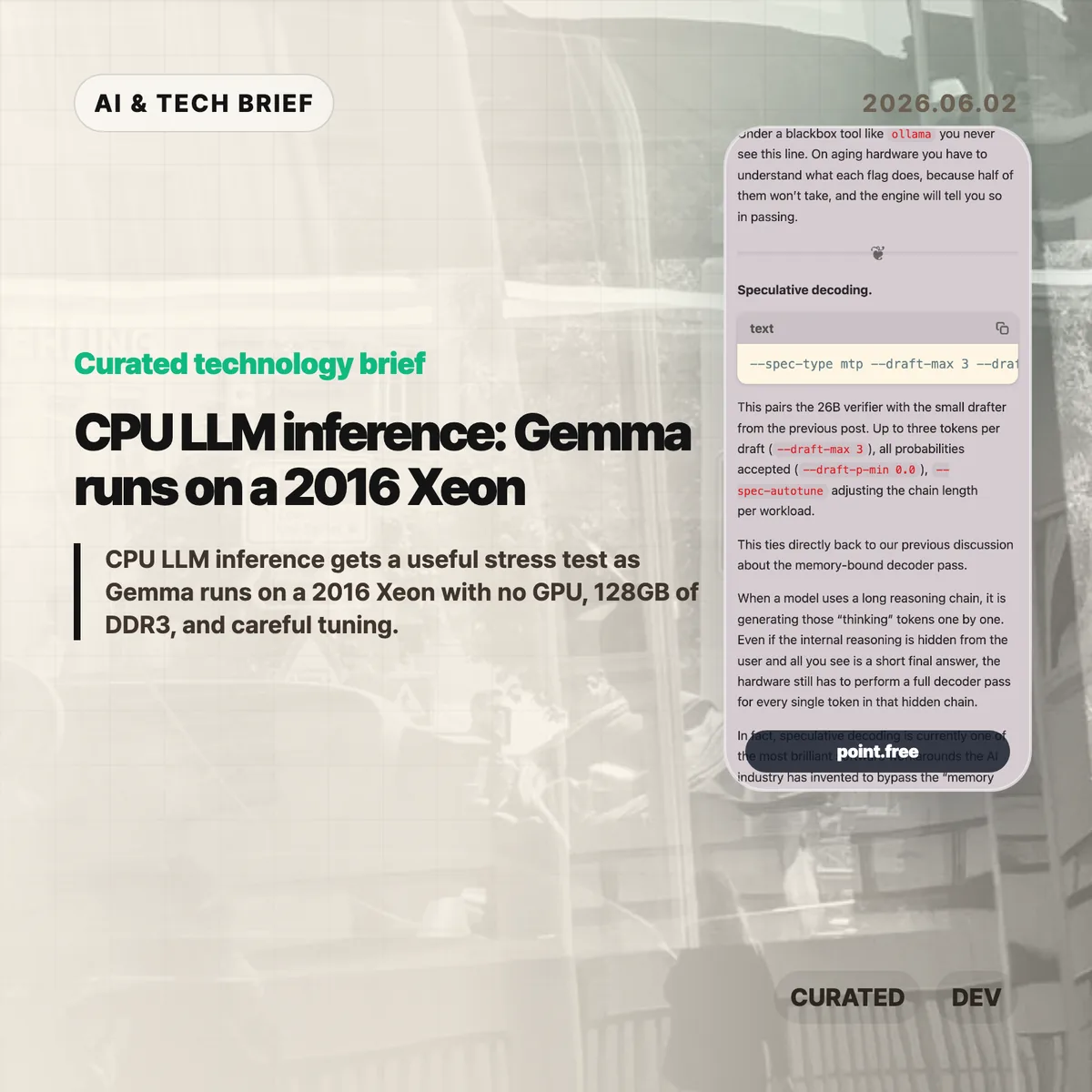
CPU LLM inference: Gemma runs on a 2016 Xeon
CPU LLM inference gets a useful stress test as Gemma runs on a 2016 Xeon with no GPU, 128GB of DDR3, and careful tuning.
-
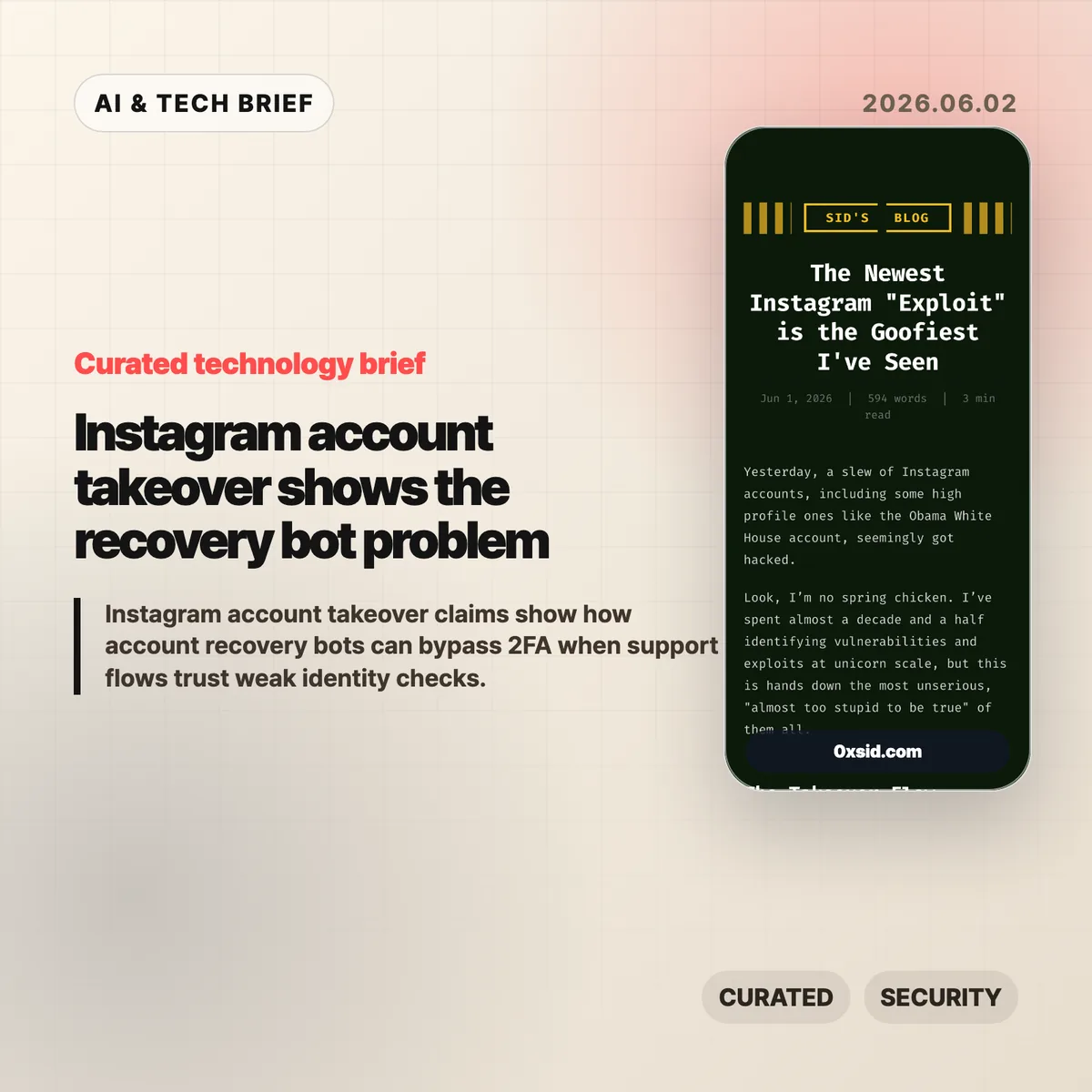
Instagram account takeover shows the recovery bot problem
Instagram account takeover claims show how account recovery bots can bypass 2FA when support flows trust weak identity checks.
-
AI technical interviews need a reset, not a chatbot test
AI technical interviews should test reasoning, review judgment, and problem framing before they reward tool fluency.
-
systemd timers vs cron: a cleaner way to run scheduled Linux jobs
systemd timers vs cron is a practical Linux ops choice: better logs, missed-run handling, event-based schedules, and clearer status.