AI developer tool blog from Diligesker, with source-linked briefs on AI products, developer tools, software engineering, infrastructure, privacy, and platform policy.
This page is the archive for short, practical briefings written for builders, operators, and technology watchers who want more than a headline. Each brief explains what changed, why it matters, what teams should verify, and which primary or official sources are worth reading next. The goal is not to chase every announcement; it is to separate durable signals from noisy release cycles.
Diligesker tracks recurring themes across modern software work: AI agents and model releases, code review and developer productivity, cloud infrastructure, open source governance, web standards, privacy expectations, and platform rules. When a story affects engineering teams, product leaders, or technical decision makers, the coverage focuses on the practical questions: what breaks, what improves, what should be tested, and what might be overhyped.
Coverage usually includes:
- AI agents, model releases, and product strategy
- Developer tools, code review, and software workflows
- Infrastructure, open source policy, privacy, and platform rules
- Standards, funding, security, and the business context around technical choices
Use the latest briefs below to scan recent posts, then open individual articles for source links, context, and implementation notes. For editorial context, see About and Disclaimer.
Latest briefs
-
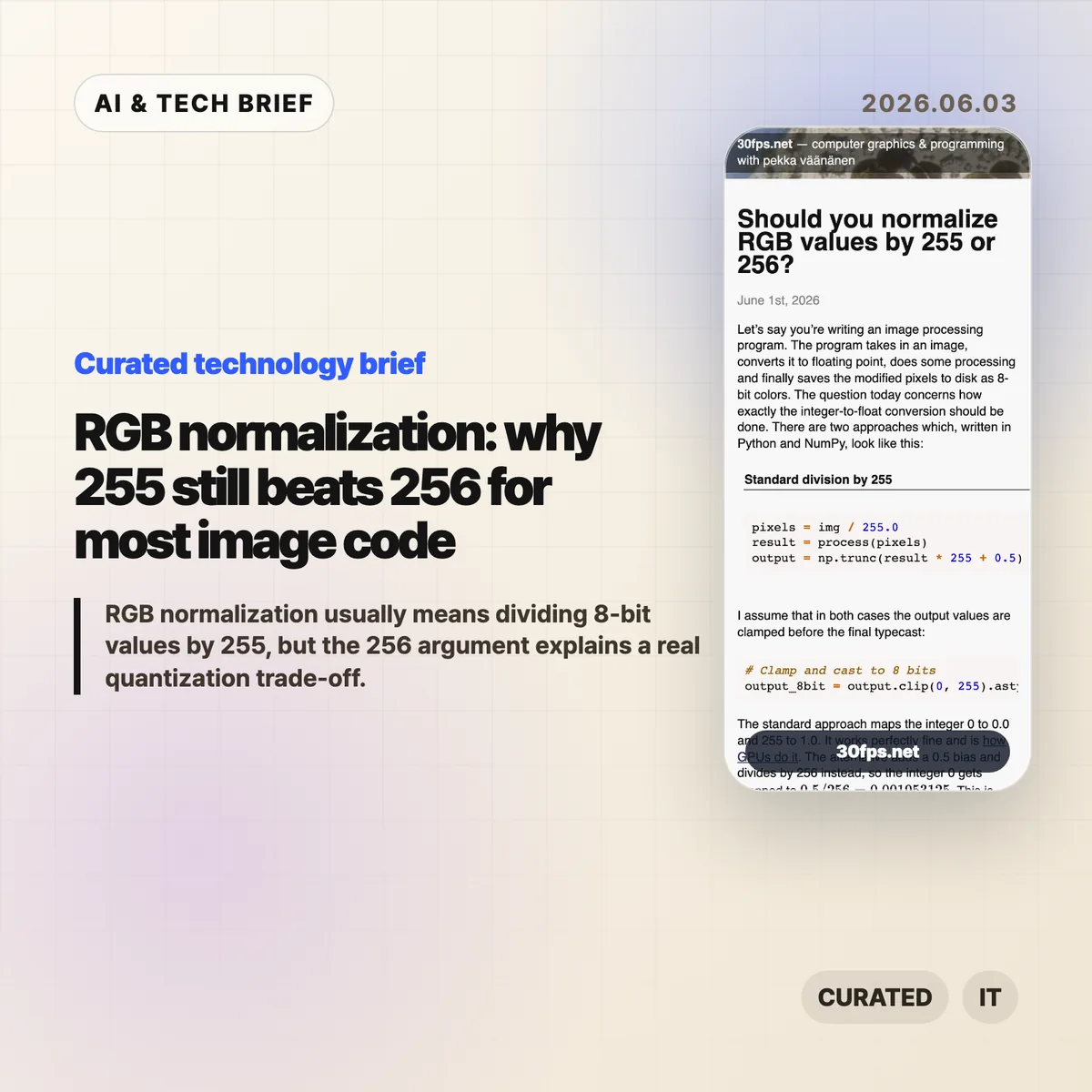
RGB normalization: why 255 still beats 256 for most image code
RGB normalization usually means dividing 8-bit values by 255, but the 256 argument explains a real quantization trade-off.
-
Anthropic valuation: Michael Burry’s $1 trillion AI warning
Anthropic valuation looks different when Michael Burry’s critique is read as an argument about compute costs, AI margins, and demand risk.
-
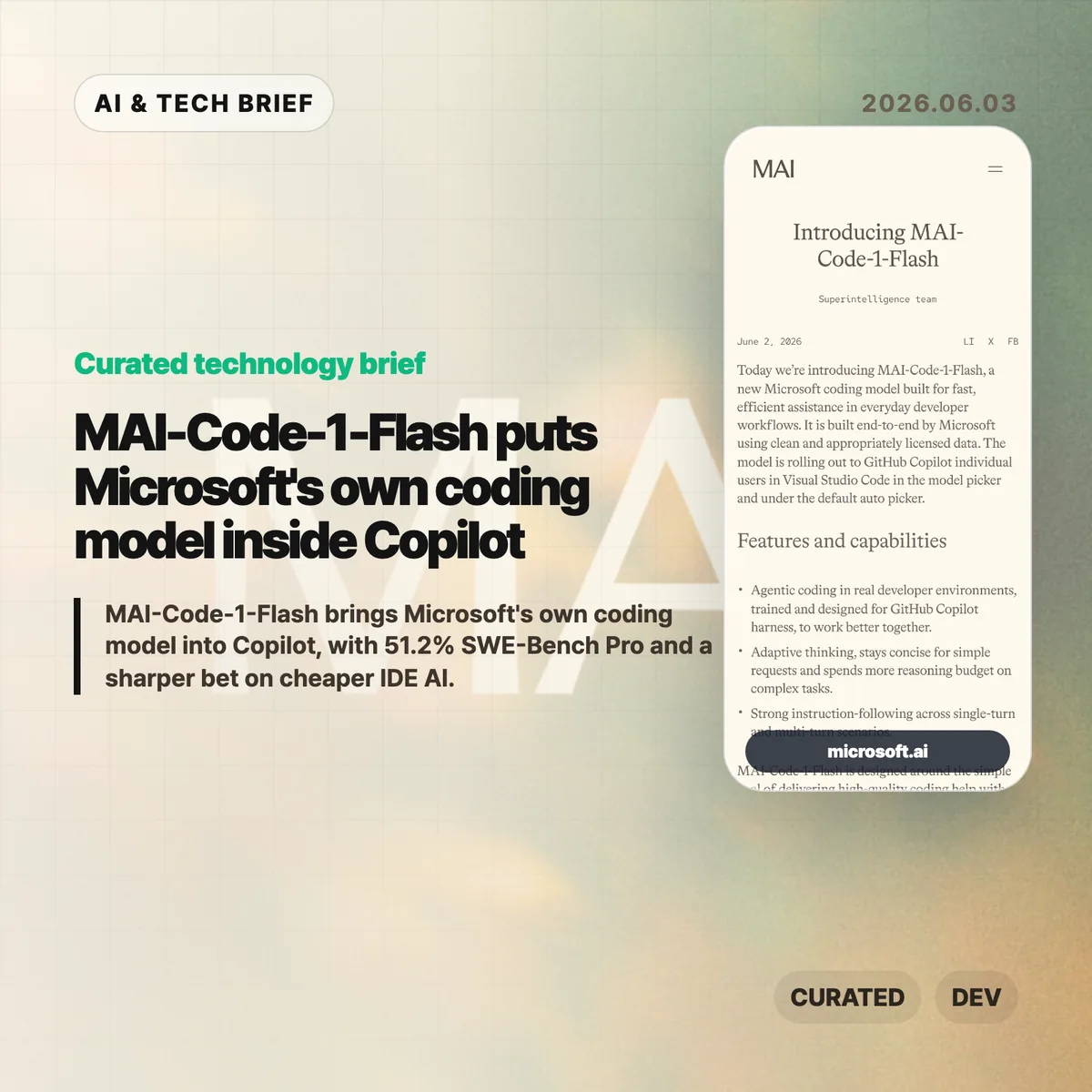
MAI-Code-1-Flash puts Microsoft’s own coding model inside Copilot
MAI-Code-1-Flash brings Microsoft’s own coding model into Copilot, with 51.2% SWE-Bench Pro and a sharper bet on cheaper IDE AI.
-
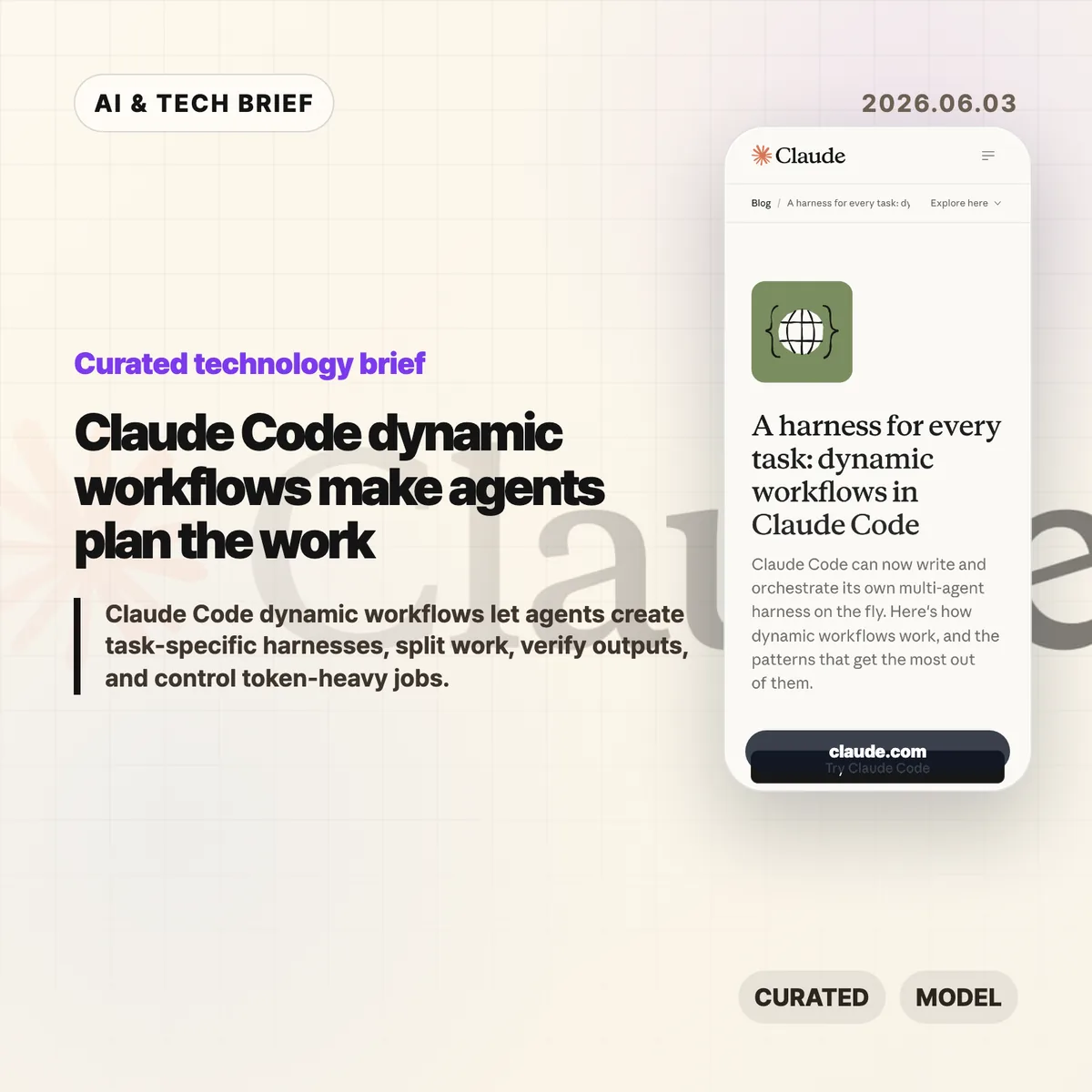
Claude Code dynamic workflows make agents plan the work
Claude Code dynamic workflows let agents create task-specific harnesses, split work, verify outputs, and control token-heavy jobs.
-
Codex for work: OpenAI pushes Codex beyond developers
Codex for work now targets analysts, sales teams, designers, and investors with role plugins, Sites, and annotations.
-
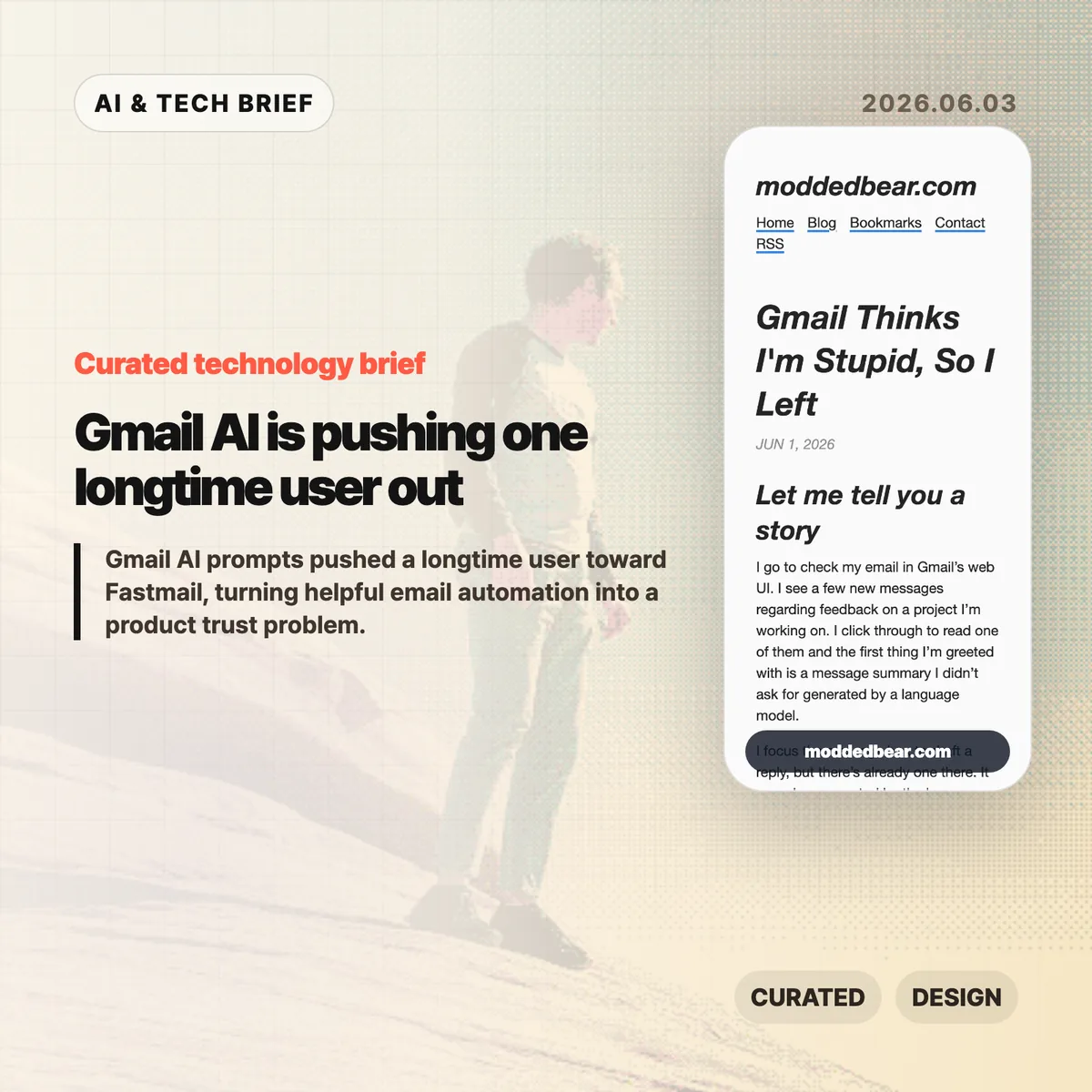
Gmail AI is pushing one longtime user out
Gmail AI prompts pushed a longtime user toward Fastmail, turning helpful email automation into a product trust problem.
-
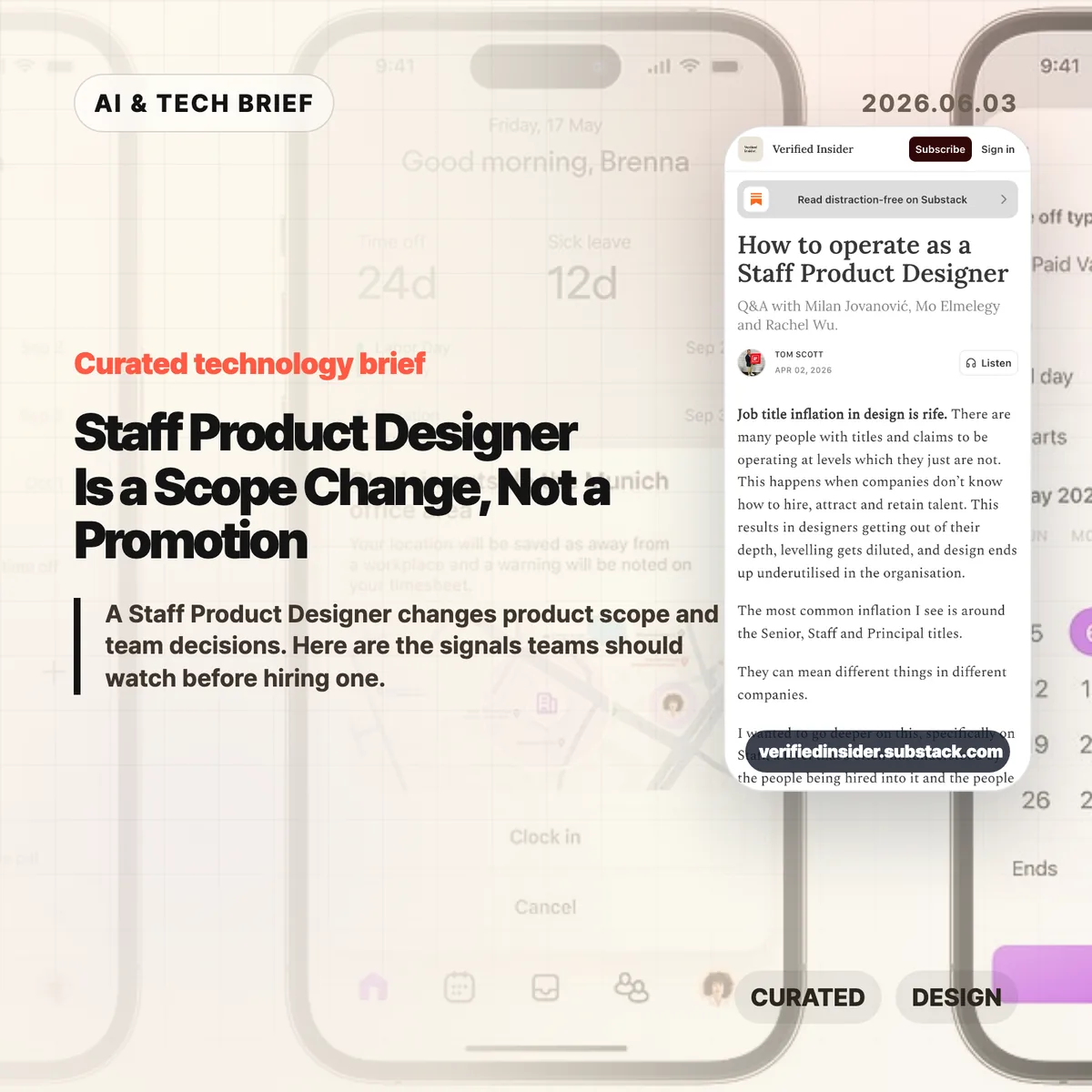
Staff Product Designer Is a Scope Change, Not a Promotion
A Staff Product Designer changes product scope and team decisions. Here are the signals teams should watch before hiring one.
-
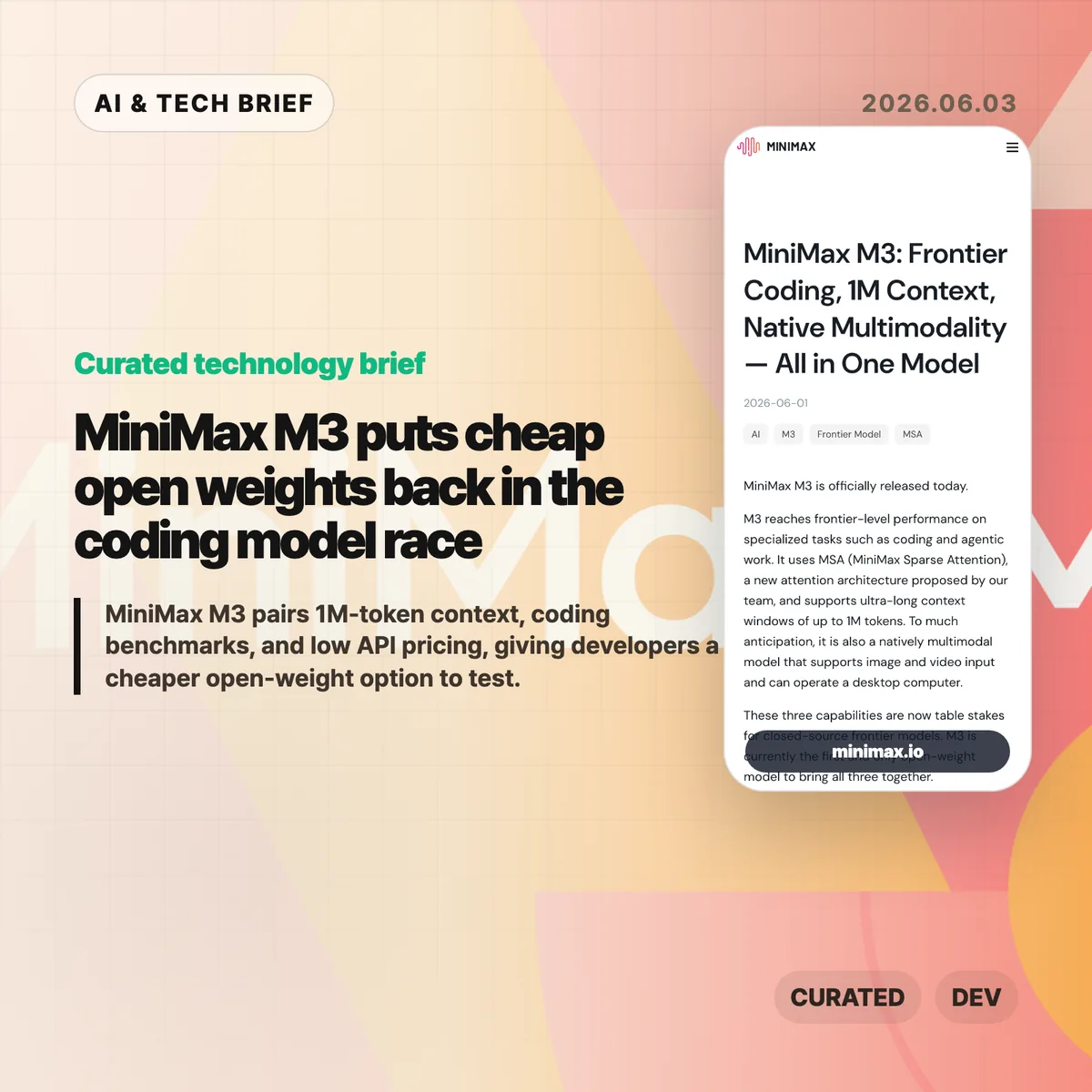
MiniMax M3 puts cheap open weights back in the coding model race
MiniMax M3 pairs 1M-token context, coding benchmarks, and low API pricing, giving developers a cheaper open-weight option to test.
-
OpenAI on AWS makes Codex a cloud-native enterprise bet
OpenAI on AWS brings frontier models and Codex into Amazon Bedrock, giving enterprise AI teams a new path to deployment.
-

Social media age verification is becoming an internet ID layer
Social media age verification is moving from child safety checks toward identity systems that could reshape privacy, VPNs, and app stores.